



Backpacking Europe Packing List 2026 — The Complete One-Bag Guide
Most Europe packing lists are written by people who checked a bag. This one isn't. Everything here fits in one 40L carry-on. No checked fees. No carousel wait. No wondering if your bag made the connection in Frankfurt.
After more than a decade designing travel bags and watching how people actually move through airports, train stations, and hostels across Europe, we've distilled it down to what you genuinely need — and more importantly, what you definitely don't.
For 1–3 weeks backpacking Europe, pack: one 40L carry-on backpack, a small anti-theft sling for valuables, 4–5 quick-dry tops, 2–3 bottoms, 4–5 underwear and socks, one warm layer, one packable rain shell, two pairs of shoes, a universal adapter, a 20,000mAh power bank, a 1-litre liquids bag, your passport, and travel insurance. Leave jeans, a full-size towel, and a third pair of shoes at home.
The bag question — one bag or two?
The first decision shapes everything else. One bag means total freedom — every airline, no check-in desks, moving fast between cities. Two bags means more space and more flexibility, but you're carrying significantly more weight and paying checked-bag fees on budget carriers like Ryanair and Wizz Air.
For trips of up to 3 weeks across 3–6 countries, one bag is almost always the right call. The cost of a good 40L travel backpack can pay for itself in avoided bag fees within a trip or two.
The caveat: if you're attending a formal event (wedding, business conference), packing a suit jacket properly into a 40L is difficult. That's the one scenario where two bags makes sense. For everything else — city hopping, hostels, Airbnbs, train travel — one bag is faster, cheaper, and less stressful.
40 litres is the sweet spot. Full-service airlines generally accept cabin bags around 55×40×23cm. Budget carriers are stricter: Ryanair's paid Priority cabin bag is 55×40×20cm, and its free under-seat bag is 40×30×20cm. A well-packed 40L that isn't overstuffed fits the larger allowance. Go bigger and you're gambling on enforcement at the gate.
The main bag: what to look for
Not every 40L backpack is equal. For Europe specifically, you want:
- Clamshell opening — opens flat like a suitcase, essential for hostel life and airport security
- Internal organisation — packing cubes are easier to pack than one big cavity
- Hip belt (removable) — invaluable when covering ground, packable when you don't need it
- Laptop sleeve — separate from the main compartment for security screening
- Water-resistant shell — not waterproof, but able to handle a rain walk between train stations

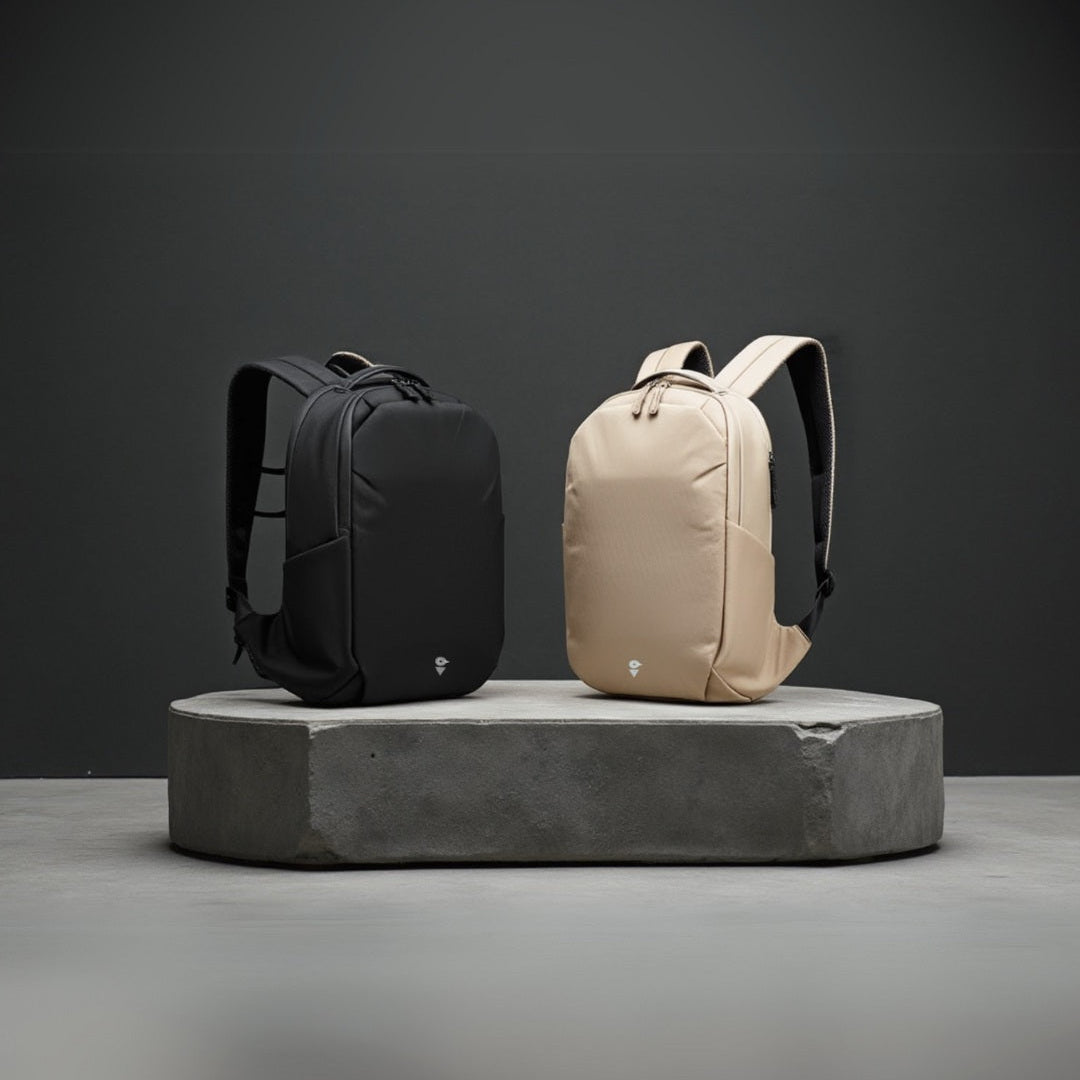
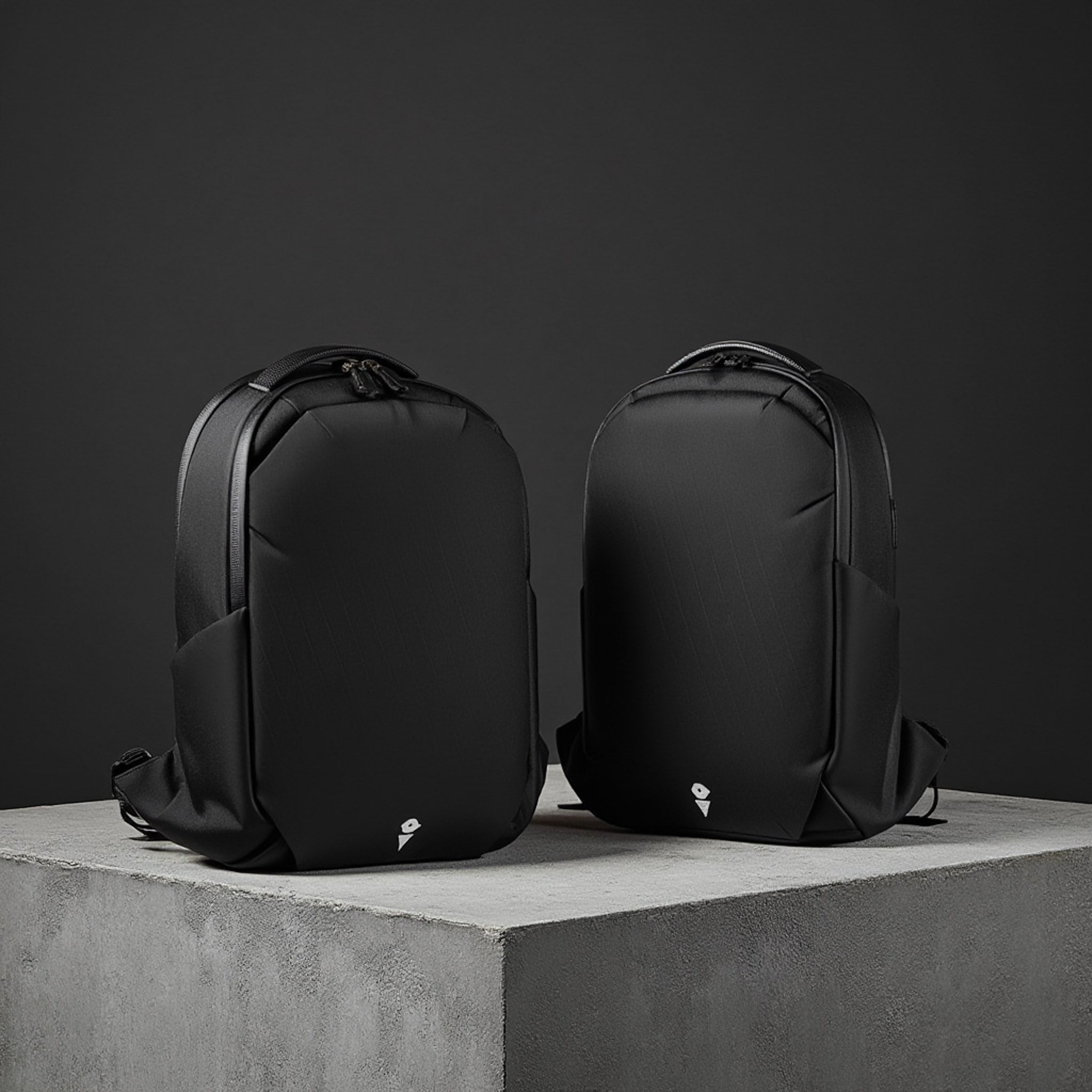
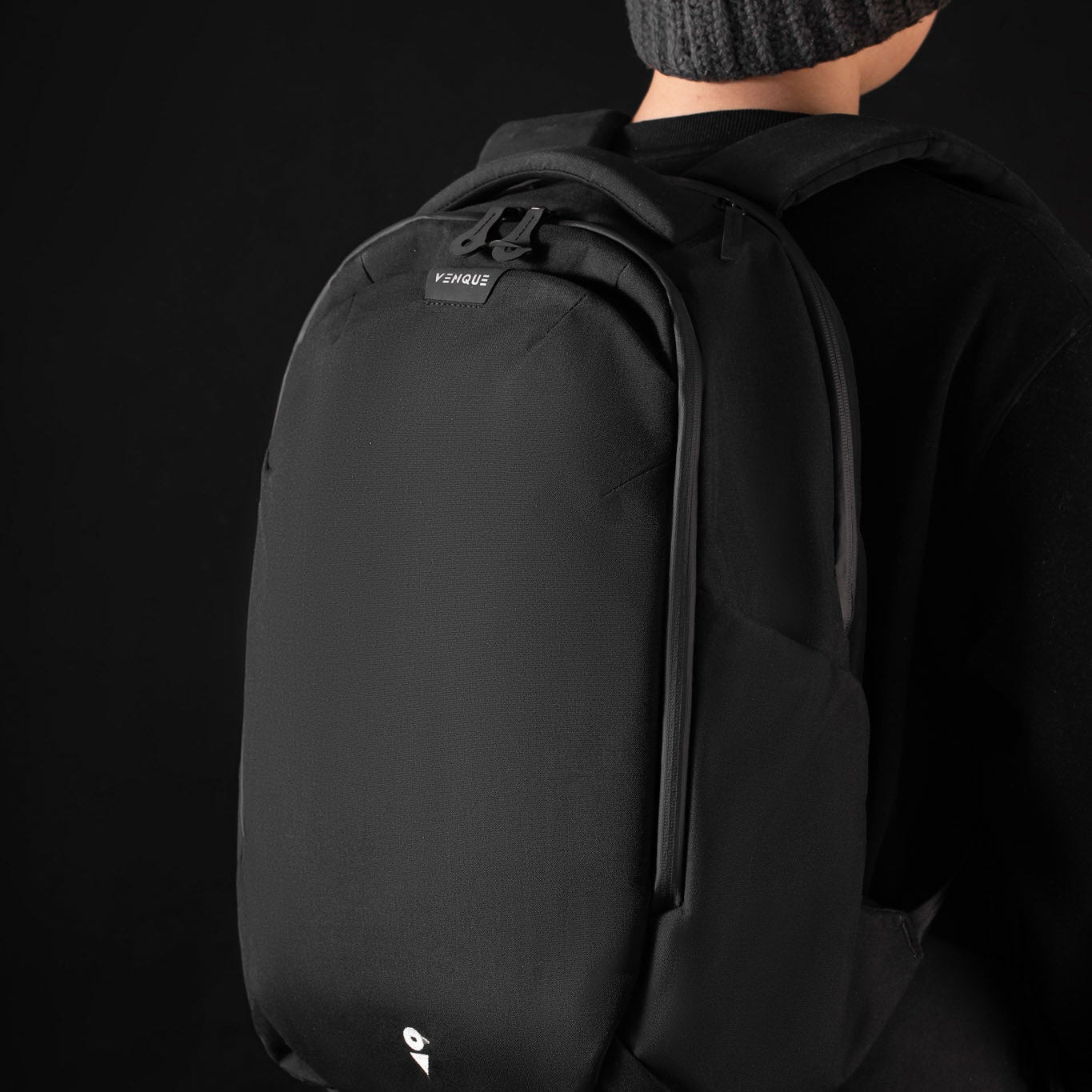
The FLAI opens completely flat — lay it on a hostel bed or airport floor and pack or unpack in seconds. A separate laptop sleeve clears security without unpacking. The removable hip belt transfers load on heavy walking days and tucks away when you don't need it. Water-resistant shell handles city rain without a cover.
- Sized for full-service carry-on limits
- Clamshell for fast packing
- Organised interior sections
- Comfortable on multi-hour walks
- 40L feels snug for trips over 3 weeks
- No external water bottle pocket
The second bag: keep your valuables on you
Once you've dropped the main bag at your hostel or Airbnb, you don't want your passport, phone, and cards loose in a back pocket. Rome, Barcelona, and Paris all have serious pickpocket problems in tourist areas and on the metro.
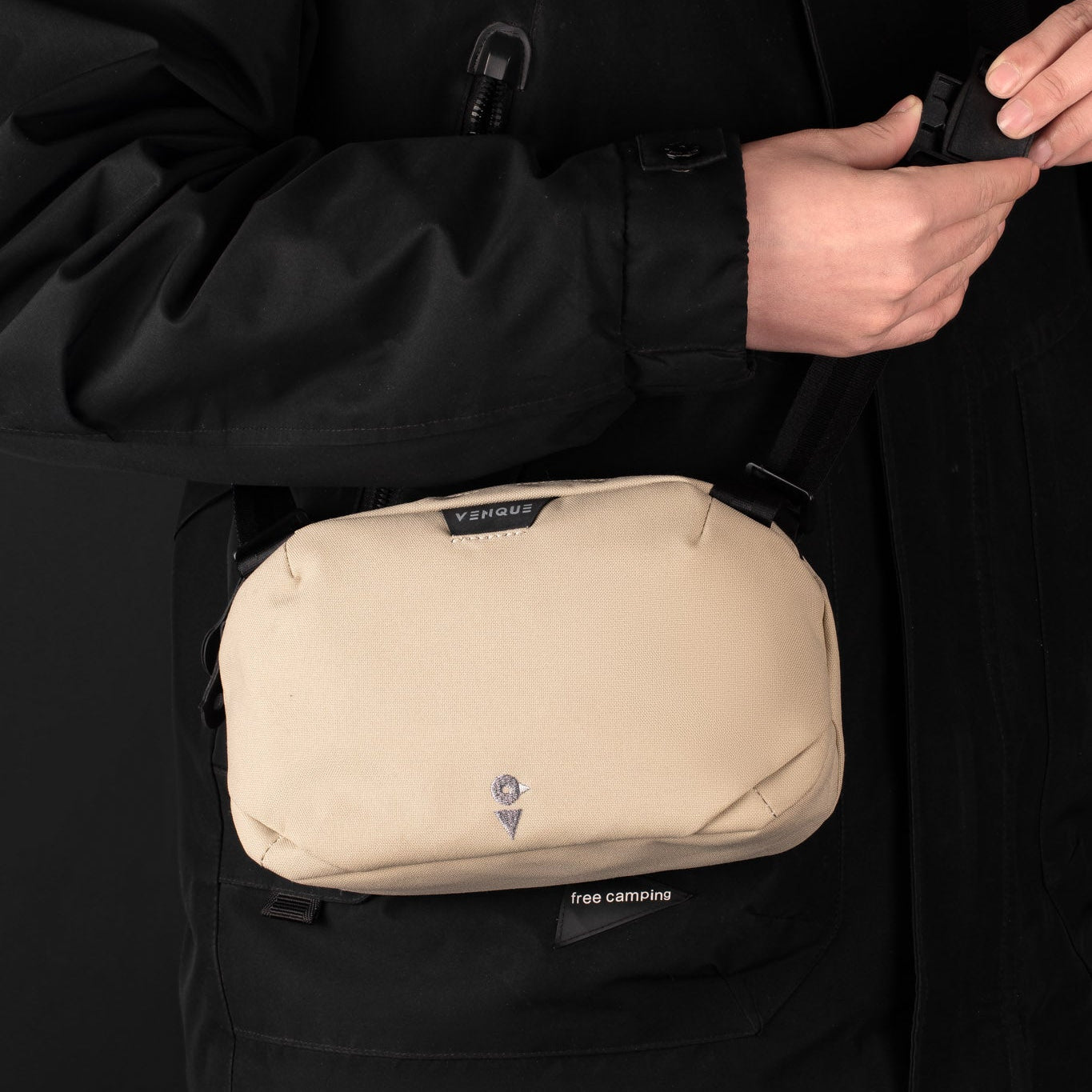
The answer is a small sling worn across your chest — in front of you, where you can see it. It isn't a full daypack: it's for the things you can't afford to lose. If you want to carry water, a jacket, and snacks for a long day out, a light packable tote or the FLAI's own compartments handle that; the sling keeps the valuables separate and secure.

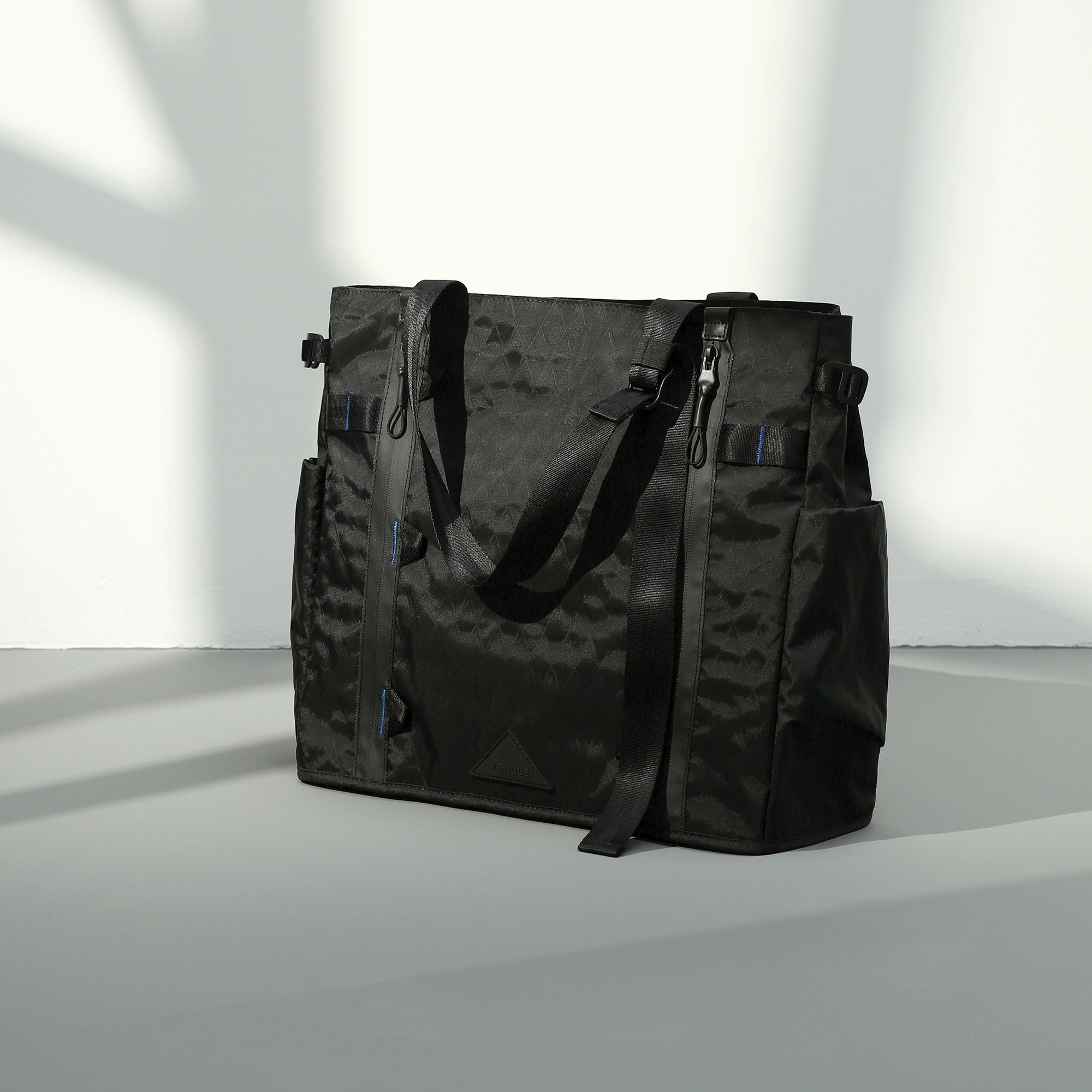
The Transit Sling wears across the chest, so it stays visible and in front of you in crowds — exactly where pickpockets work. It's sized for the essentials: passport, phone, cards, keys, and earbuds, with hidden zippers and an anti-theft design. At 210g it disappears into your FLAI on travel days.
- Chest position deters pickpockets
- Hidden zippers on key pockets
- Expands 1L → 1.5L with one pull
- Water-resistant X-Pac front
- Essentials only — no room for a water bottle or jacket
- Not for laptop carry
Clothing packing list — 7 to 14 days
The 5-4-3-2-1 rule is the starting point used by experienced one-bag travellers: 5 shirts, 4 underwear, 3 bottoms, 2 pairs of shoes, 1 jacket. In practice you can often go lighter, especially if your accommodation has a washing machine or laundry sink.
Europe is casual by most global standards. You don't need to dress up unless you're planning fine dining or a specific event. Focus on merino wool and synthetic fabrics — both dry overnight when hand-washed, resist wrinkles, and don't smell after a long travel day the way cotton does. (For anything that does crease, see our guide to packing clothes without wrinkles.)
Clothing checklist
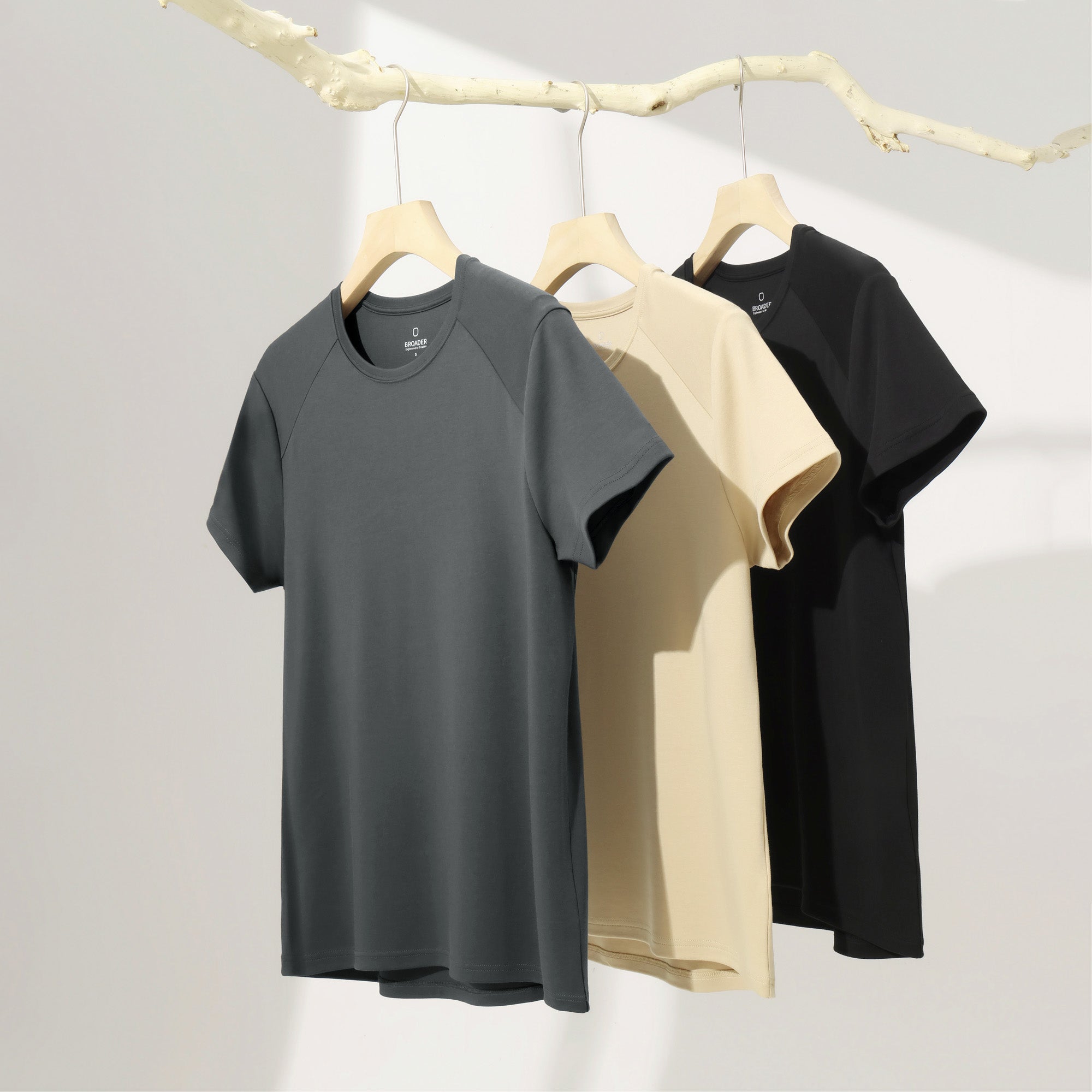
- T-shirts / tops (4–5) — merino wool or moisture-wicking synthetic. Merino is the gold standard: odour-resistant, machine washable, packs small
- Underwear (4–5) — quick-dry synthetic or merino. Pack one extra
- Bottoms (2–3) — one pair of versatile trousers (works for casual and smarter occasions), one pair of shorts if going June–September
- Lightweight warm layer (1) — a packable down jacket or fleece. Essential even in summer — evenings in Paris or Edinburgh get cold
- Rain layer (1) — thin packable shell. Don't pack a heavy rain jacket
- Socks (4–5 pairs) — merino again. One wool hiking pair if you're doing day hikes
- Shoes (2 pairs) — comfortable walking shoes that also look decent for evenings, plus lightweight sandals or flip flops for hostels
- Sleepwear (optional) — in warmer months a light t-shirt and shorts double up
Jeans. They weigh 700–900g, take forever to dry, and crease badly in a pack. Swap for a lightweight travel trouser or chino. Also: more than two pairs of shoes. Each pair costs roughly 600–900g of your total weight allowance.

The FLAI 40L packed for a 10-day Europe trip — clothing, tech, and toiletries included.
Tech and electronics
Most of your devices will charge over USB-C, but the wall outlet shape varies. You'll use Type C/F plugs across most of continental Europe and Type G in the UK and Ireland. One universal travel adapter handles both.
Tech checklist
- Laptop or tablet — goes in the dedicated sleeve of your FLAI, separate from the main compartment for security screening
- Phone + charger (USB-C)
- Universal travel adapter — one is enough; buy before you go (airport prices are steep)
- Power bank (20,000mAh) — essential for long travel days between cities; carry-on only, never checked
- Earbuds / headphones
- E-reader (optional) — lighter than 3 books and you'll have time to read on trains
- Camera (optional) — most smartphone cameras are good enough for travel now
Spare lithium batteries must go in your carry-on, not checked luggage, and power banks over 100Wh (roughly 27,000mAh) generally need airline approval. A 20,000mAh power bank is about 74Wh — well under the limit. Some airlines have also restricted using power banks in-flight, so check your carrier's current rule.
Toiletries and health
Plan on the 100ml liquids rule at security, with everything in a single 1-litre clear bag. Some airports with new scanners have relaxed this, but you can't count on it at every airport on a multi-city route. Buy larger sizes at your destination — European pharmacies stock every major brand and are cheaper than airport shops.
Toiletries checklist
- Toothbrush + toothpaste (travel size)
- Deodorant (solid, or liquid under 100ml)
- Shampoo / conditioner (100ml) — or buy at your first destination
- Sunscreen (100ml) — buy a full size on arrival if going south
- Razor — disposable or cartridge razors are fine in the cabin; loose safety-razor blades are not
- Prescription medication — carry in original packaging with a copy of the prescription
- Basic first aid — ibuprofen, antihistamine, plasters, rehydration sachets
- Hanging toiletry bag — hostel bathrooms rarely have counter space

Magnetic clasp clips to any bathroom rail or towel hook. Wet compartment for damp items, dry for everything else. Opens flat for packing. The small detail that makes hostel bathrooms less frustrating.
Shop MagiClip →Documents, money, and security
Canadian, US, UK, and Australian passport holders don't need a visa for short Schengen stays (up to 90 days in any 180). The EU's new Entry/Exit System (EES) now registers non-EU travellers' fingerprints and photo at the border, so allow extra time at your first entry point. ETIAS — the EU's online travel authorisation — is expected to launch in the last quarter of 2026. Check the official ETIAS website before you travel.
Documents checklist
- Passport — valid for at least 3 months beyond your departure from the Schengen area, and issued within the last 10 years
- ETIAS authorisation — once it's required; apply only through the official EU website
- Flight confirmations saved offline — roaming data fails at the worst moments
- Travel insurance documents — never skip this; emergency care isn't free for non-EU visitors
- Accommodation confirmations
- Emergency contacts written down on paper
Money and cards
Visa and Mastercard are accepted almost everywhere in Western Europe. Parts of Central and Eastern Europe are more cash-heavy, so carry €100–€200 in local currency as backup.
A no-foreign-transaction-fee card (such as Wise or a travel-focused credit card) saves 2.5% or more on every purchase. Tell your bank you're travelling so your card isn't blocked on day one.
What to leave at home
This section matters as much as the packing list. Every experienced one-bag traveller has a story about the item they carried across eight countries and never used once.
| Item | Why you think you need it | Reality |
|---|---|---|
| Full-size towel | Hostels won't have one | Leave it — Most hostels rent towels for a few euros. A microfibre travel towel weighs about 200g if you want your own. |
| Jeans | Versatile and look good | Leave them — 800g that never dries. Travel trousers do everything jeans do, better. |
| Laptop + tablet + e-reader | Different devices for different uses | Pick one — Bring the laptop if you need to work. Tablet otherwise. Phone for reading. |
| More than 2 pairs of shoes | Outfit variety | Don't — Shoes are the heaviest, bulkiest things you pack. Two pairs is the ceiling. |
| Physical guidebook | Offline reference | Leave it — Offline Google Maps and downloaded guides are lighter and more current. |
| Hair dryer | Hostels won't have one | Check first — Most hotels and many hostels provide them. |
| Umbrella | It will rain | Skip it — Your packable shell handles rain, and umbrellas struggle in coastal wind. Buy a cheap one locally if needed. |
| Multiple locks | Hostel locker security | One is fine — One small padlock for hostel lockers is enough. |
Carry-on size rules for European airlines (2026)
European budget carriers are strict about bag dimensions. Bags are measured at the gate, and anything that doesn't fit gets checked — with fees. Know the rules before you book. Not sure which bag counts as what? Read our guide to carry-on vs personal item.
| Airline | Free under-seat item | Overhead cabin bag | Notes |
|---|---|---|---|
| Ryanair | 40×30×20cm | 55×40×20cm, 10kg | Overhead bag requires paid Priority & 2 Cabin Bags. Free bag size increased from 40×25×20cm in 2025 |
| easyJet | 45×36×20cm | 56×45×25cm | Large cabin bag is a paid add-on on standard fares |
| Wizz Air | 40×30×20cm | 55×40×23cm | Overhead bag requires paid Wizz Priority |
| Lufthansa | 40×30×10cm | 55×40×23cm, 8kg | Cabin bag included on most fares |
| British Airways | 40×30×15cm | 56×45×25cm, 23kg | Generous limits |
| Air Canada (transatlantic) | 43×33×16cm | 55×40×23cm | Standard for flights from Canada |
On Ryanair and Wizz Air, a standard ticket only includes the small under-seat bag. To keep a 40L backpack in the overhead bin you need to pay for priority when you book — it's almost always cheaper than the gate fee. Fees and sizes change often, so check your booking before you fly.
Frequently asked questions
Built for this exact trip
The FLAI 40L was designed around one-bag travel — pair it with the Transit Sling for your valuables.
Shop FLAI 40L Shop Transit Sling