



Backpacking Europe Packing List 2026 — The Complete One-Bag Guide
Most Europe packing lists are written by people who checked a bag. This one isn't. Everything here fits in one 40L carry-on. No checked fees. No carousel wait. No wondering if your bag made the connection in Frankfurt.
After a decade designing travel bags and watching how people actually move through airports, train stations, and hostels across Europe, we've distilled it down to what you genuinely need — and more importantly, what you definitely don't.
The bag question — one bag or two?
The first decision shapes everything else. One bag means total freedom — every airline, no check-in desks, moving fast between cities. Two bags means more space, more flexibility, but you're carrying significantly more weight and paying bag fees on budget carriers like Ryanair and Wizz Air that add €30–€60 each way for checked luggage.
For trips of up to 3 weeks across 3–6 countries, one bag is almost always the right call. The math is simple: the cost of a good 40L travel backpack often pays for itself in one round trip of avoided bag fees. After that it's pure savings.
The caveat: if you're attending a formal event (wedding, business conference), packing a suit jacket properly into a 40L is difficult. That's the one scenario where two bags makes sense. For everything else — city hopping, hostels, Airbnbs, train travel — one bag is faster, cheaper, and less stressful.
40 litres is the sweet spot. Most major airlines accept bags up to 55×40×20cm (Ryanair is stricter at 40×20×25cm with a personal item). A well-packed 40L fits within these dimensions. Go larger and you're gambling on enforcement at the gate.
The main bag: what to look for
Not every 40L backpack is equal. For Europe specifically, you want:
- Clamshell opening — opens flat like a suitcase, essential for hostel life and airport security
- Internal organisation — packing cubes are easier to pack than one big cavity
- Hip belt (removable) — invaluable when covering ground, packable when you don't need it
- Laptop sleeve — separated from main compartment for TSA/security screening
- Water-resistant shell — not waterproof, but able to handle a rain walk between train stations

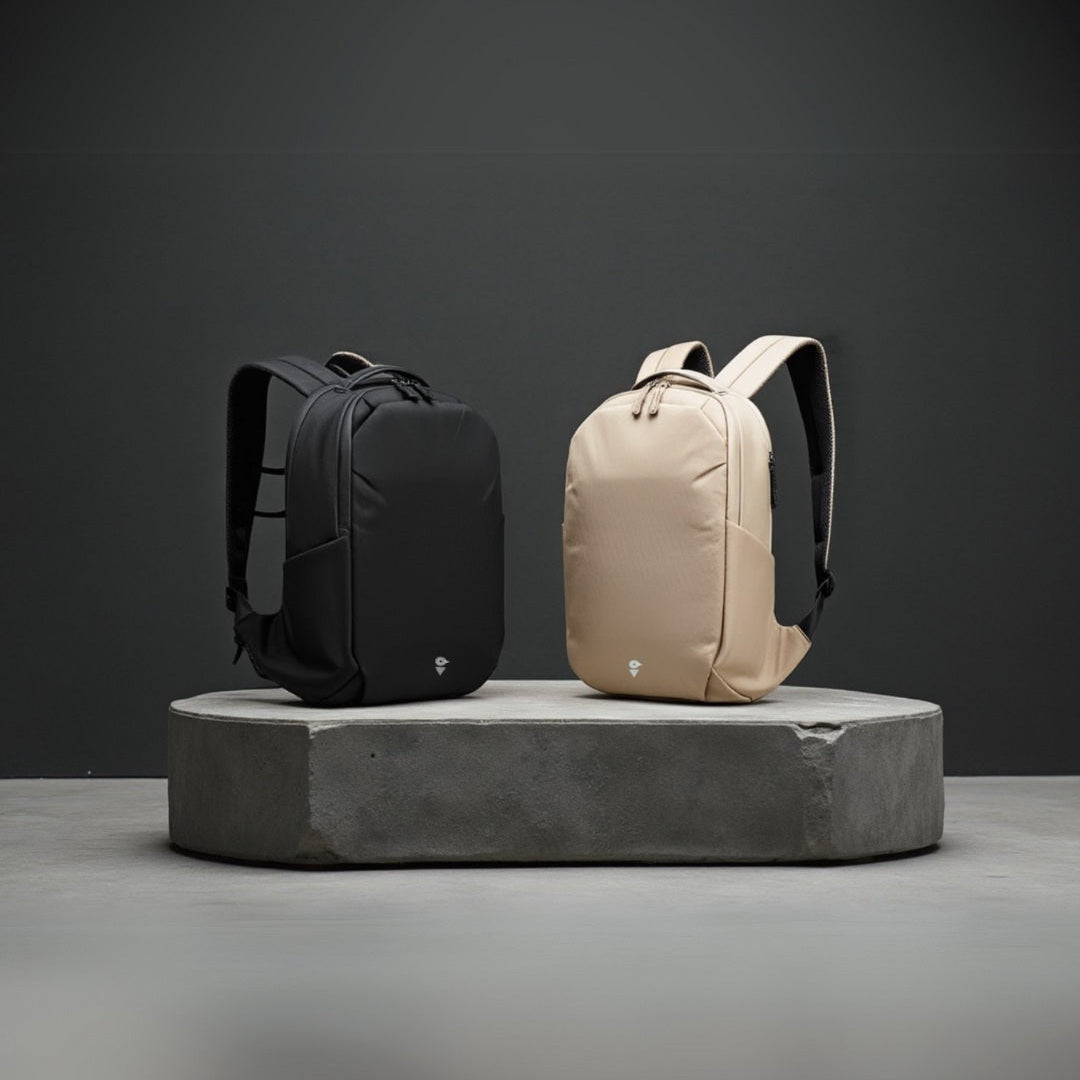
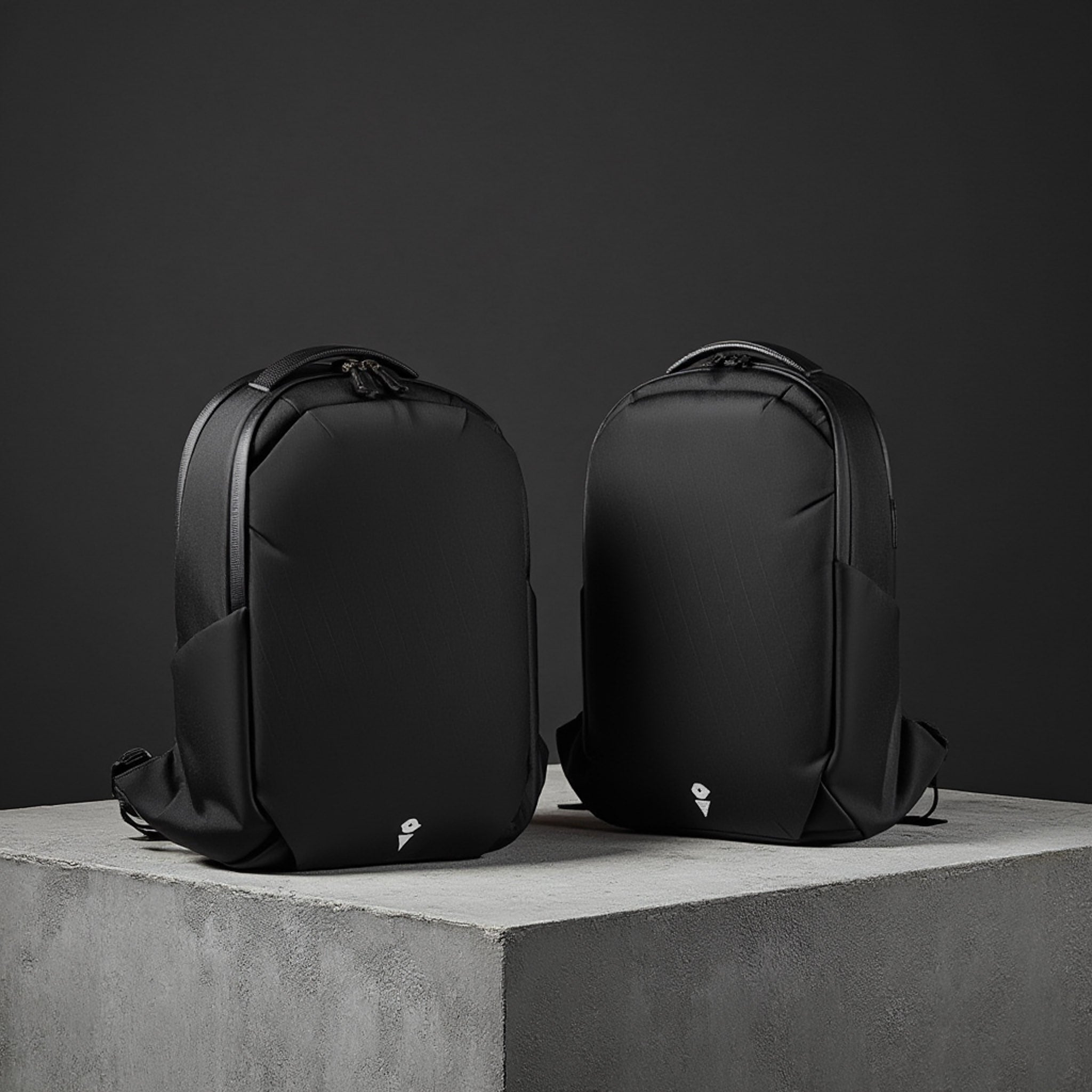
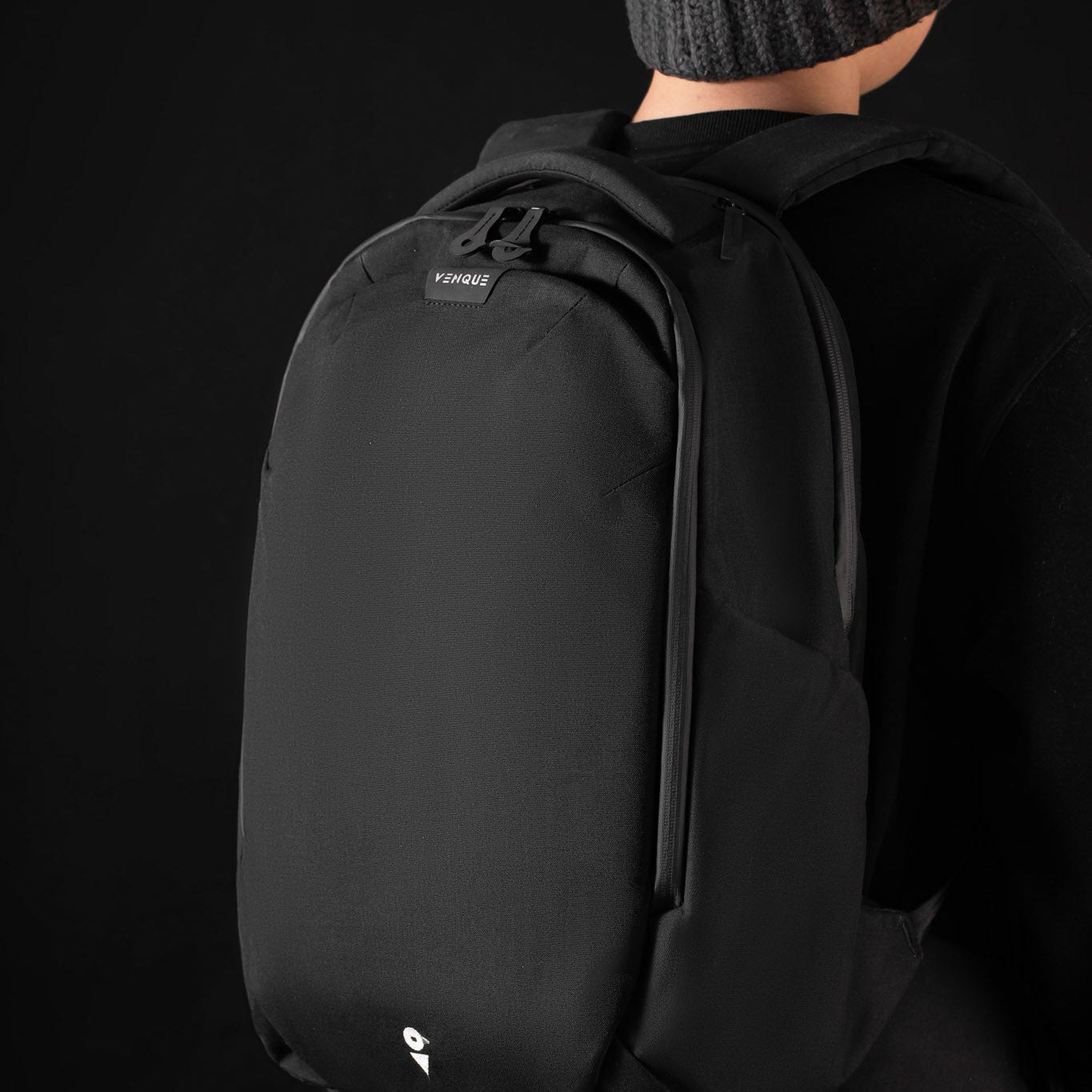
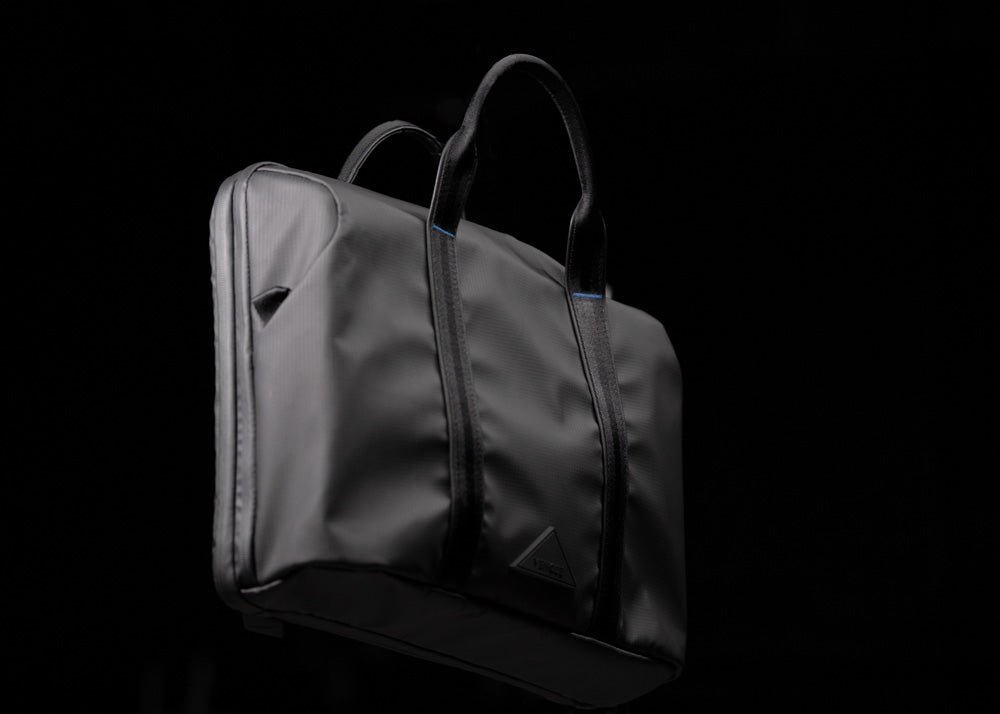
The FLAI opens completely flat — lay it on a hostel bed or airport floor and pack/unpack in seconds. Separate laptop sleeve clears security without unpacking. The removable hip belt transfers load on heavy walking days and tucks away when you don't need it. Water-resistant shell handles city rain without a cover.
- Fits within most airline carry-on limits
- Clamshell for fast packing
- Organised interior sections
- Comfortable on multi-hour walks
- 40L feels snug for trips over 3 weeks
- No external water bottle pocket
The daypack: why you need a second bag (just a small one)
You need something for day trips. Not another backpack — something you can sling over one shoulder when you leave the main bag at the hotel and go exploring. This is the one place a second bag genuinely earns its keep.
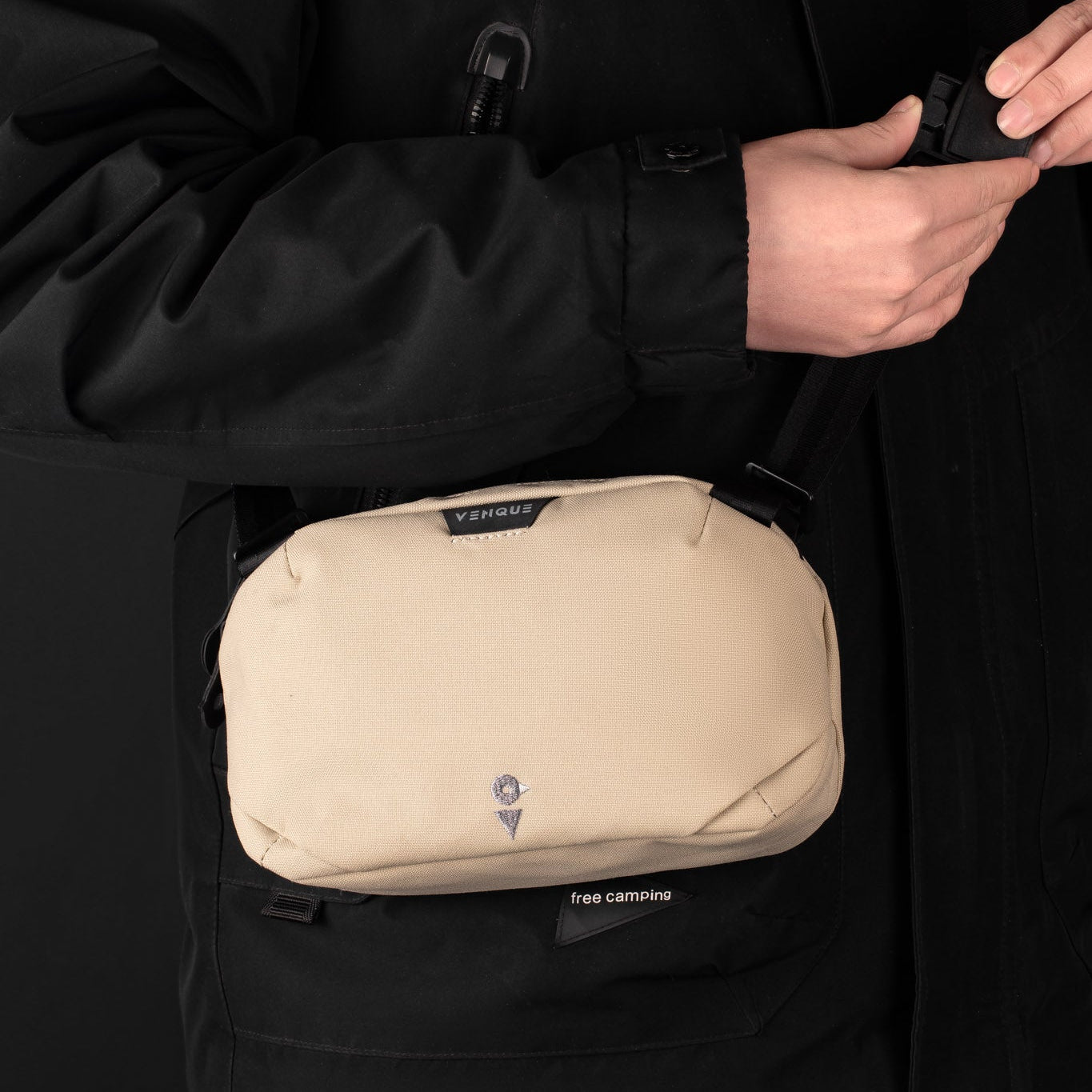
The requirements are different from your main bag. It needs to be small enough to fit in a restaurant or café, secure enough for crowded tourist areas (Rome and Barcelona have serious pickpocket problems), and packable enough to compress flat inside your FLAI when not in use.

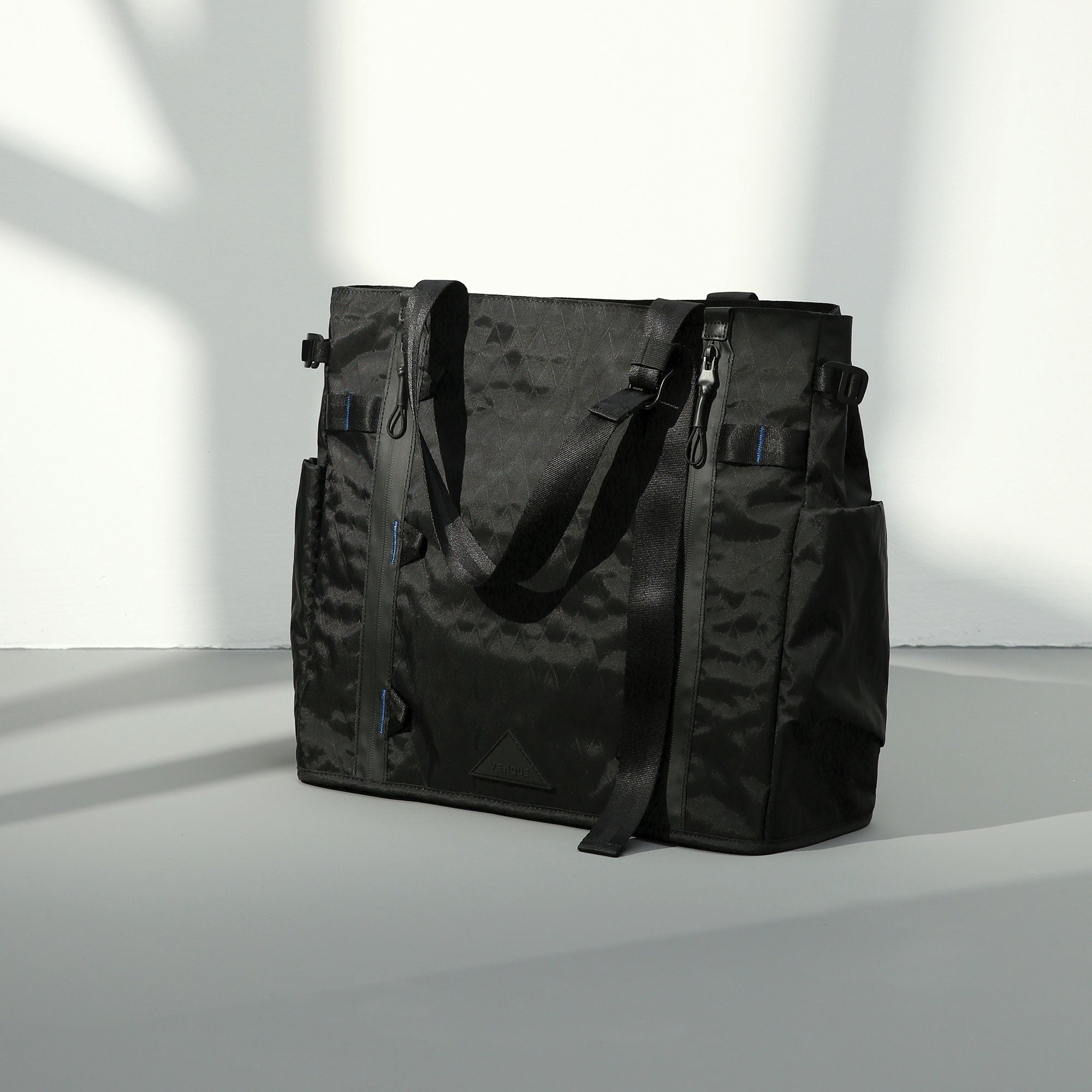
The Transit Sling wears across the chest — which means it stays visible and in front of you in crowded places, which is exactly where pickpockets work. Fits a phone, wallet, camera, water bottle, and a light jacket. Packs completely flat inside your FLAI when you're on the move.
- Chest position deters pickpockets
- Packs flat inside main bag
- Right capacity for day-out use
- Quick access top zip
- Not for laptop carry
- Single strap fatigues on long days
Clothing packing list — 7 to 14 days
The 5-4-3-2-1 rule is the starting point used by experienced one-bag travellers: 5 shirts, 4 underwear, 3 bottoms, 2 pairs of shoes, 1 jacket. In practice you can often go lighter, especially if your accommodation has a washing machine or laundry sink.
Europe is casual by most global standards. You don't need to dress up unless you're planning fine dining or a specific event. Focus on merino wool and synthetic fabrics — both dry overnight when hand-washed, don't wrinkle, and don't smell after a long travel day the way cotton does.
Clothing checklist
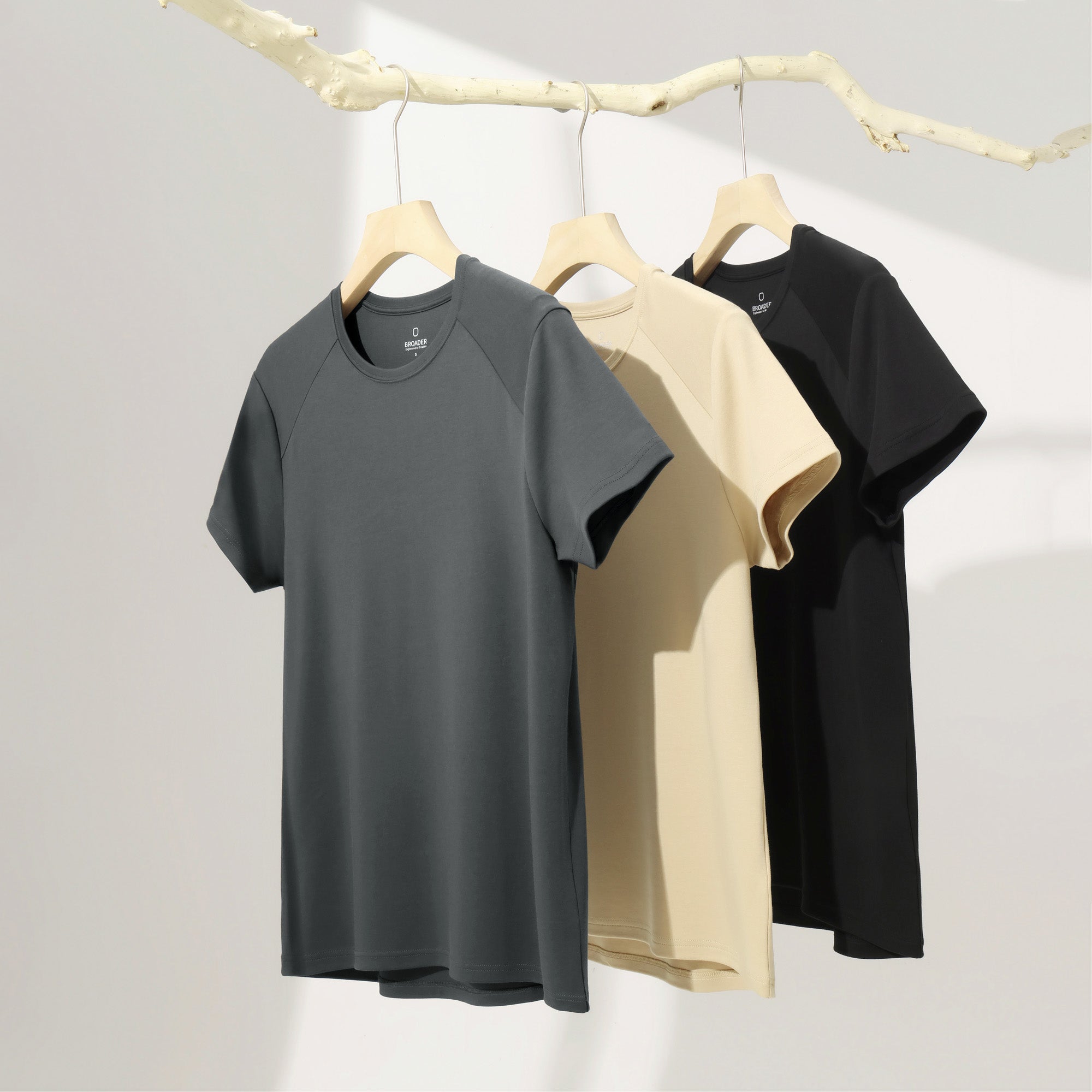
- T-shirts / tops (4–5) — merino wool or moisture-wicking synthetic. Merino is the gold standard: odour-resistant, machine washable, packs small
- Underwear (4–5) — ExOfficio or merino. Pack one extra
- Bottoms (2–3) — one pair of versatile trousers (works for casual and smarter occasions), one pair of shorts if going June–September
- Lightweight layer (1) — a packable down jacket or fleece. Essential even in summer — evenings in Paris or Edinburgh get cold
- Rain layer (1) — thin packable shell. A €12 supermarket poncho works. Don't pack a heavy rain jacket
- Socks (4–5 pairs) — merino again. One wool hiking pair if you're doing day hikes
- Shoes (2 pairs) — comfortable walking shoes that also look decent for evenings, plus lightweight sandals or flip flops for hostels
- Sleepwear (optional) — in warmer months a light t-shirt and shorts double up
Jeans. They weigh 700–900g, take forever to dry, and crease badly in a pack. Swap for a lightweight travel trouser or chino and never look back. Also: more than two pairs of shoes. Each pair costs roughly 600g–900g of your total weight allowance.

The FLAI 40L packed for a 10-day Europe trip — clothing, tech, and toiletries included.
Tech and electronics
Europe runs on USB-C now for the most part, but the wall outlet shape varies. You'll use a Type C (France, Germany, most of continental Europe) and Type G (UK) adapter. One universal travel adapter handles both.
Tech checklist
- Laptop or tablet — goes in the dedicated sleeve of your FLAI, separate from main compartment for security screening
- Phone + charger (USB-C)
- Universal travel adapter — one is enough, buy before you go (airport prices are 3× what they should be)
- Small power bank (20,000mAh max for carry-on) — essential for long travel days between cities
- Earbuds / headphones
- E-reader (optional) — lighter than 3 books and you'll have time to read on trains
- Camera (optional) — most smartphone cameras are good enough for travel now
Lithium batteries over 100Wh (roughly 27,000mAh) are not allowed in carry-on or checked bags. A 20,000mAh power bank is approximately 74Wh — well under the limit. Check your specific model before packing.
Toiletries and health
The EU's 100ml liquid rule applies at security. Everything goes in a single 1-litre clear bag. Buy larger sizes at your destination — pharmacies across Europe stock every major brand and are significantly cheaper than airport shops.
Toiletries checklist
- Toothbrush + toothpaste (travel size)
- Deodorant (solid or roll-on under 100ml)
- Shampoo / conditioner (100ml) — or buy at first destination
- Sunscreen (100ml) — buy a full size on arrival if going south
- Razor — disposable or safety razor (blade stays in check-in if using safety razor)
- Prescription medication — carry in original packaging with a copy of the prescription
- Basic first aid — ibuprofen, antihistamine, plasters, rehydration sachets
- MagiClip toiletry bag — hangs on hostel bathroom hooks, opens flat, waterproof base

Magnetic clasp clips to any bathroom rail or towel hook. Wet compartment for damp items, dry for everything else. Opens completely flat for packing. The small detail that makes hostel bathrooms not frustrating.
Shop MagiClip →Documents, money, and security
The EU does not require a visa for most Western passport holders for stays under 90 days. However, ETIAS (the EU's new electronic travel authorisation) is expected to be fully operational in 2026 — check the official ETIAS website before travelling as the launch date has shifted multiple times.
Documents checklist
- Passport — valid for at least 3 months beyond your trip end date
- ETIAS authorisation — apply online before travel (when operational in 2026)
- Flight confirmation printout or PDF — offline access matters when roaming data fails
- Travel insurance documents — never skip this. European emergency medical care is not free for non-EU visitors
- Accommodation confirmations
- Emergency contacts written down on paper
Money and cards
Visa and Mastercard are accepted almost everywhere in Western Europe. Eastern Europe (Balkans, Poland, Czech Republic) is more cash-heavy. Carry €100–€200 in local currency for backup.
A Wise, Revolut, or Charles Schwab card eliminates foreign transaction fees. Tell your home bank you're travelling before you go or your card may be blocked on day one.
What to leave at home
This section matters as much as the packing list. Every experienced one-bag traveller has a story about the item they lugged across eight countries and never used once.
| Item | Why you think you need it | Reality |
|---|---|---|
| Full-size towel | Hostels won't have one | Leave it — Most hostels rent towels for €1–2. A microfibre travel towel weighs 200g if you want to carry one. |
| Jeans | Versatile and look good | Leave them — 800g that never dries. Travel trousers do everything jeans do, better. |
| Laptop + tablet + e-reader | Different devices for different uses | Pick one — Bring the laptop if you need to work. Tablet otherwise. Phone for reading. |
| More than 2 pairs of shoes | Outfit variety | Don't — Shoes are the heaviest and bulkiest things you pack. Two pairs is the ceiling. |
| Physical guidebook | Offline reference | Leave it — Google Maps offline mode, Maps.me, and downloaded Wikipedia pages are lighter and more current. |
| Hair dryer | Hostels won't have one | Check first — Most hostels and hotels provide them. If not, travel hair dryers exist under 300g. |
| Umbrella | It will rain | Skip it — Your packable shell handles rain. Umbrellas are useless in European wind. Buy one for €3 if needed. |
| Full-size locks (multiple) | Hostel locker security | One is fine — One small TSA padlock for hostel lockers is enough. Most lockers provide their own. |
Carry-on size rules for European airlines (2026)
European budget carriers are strict about bag dimensions. Measurement is taken at the gate, and bags that don't fit get checked — with fees. Know the rules before you book.
| Airline | Cabin bag | Personal item | Notes |
|---|---|---|---|
| Ryanair | 40×20×25cm (free) | 55×40×20cm (paid) | Priority boarding required for overhead cabin bag |
| easyJet | 45×36×20cm (free) | 56×45×25cm (paid) | Stricter on weight enforcement recently |
| Wizz Air | 40×30×20cm (free) | 55×40×23cm (paid) | Smallest free allowance among majors |
| Lufthansa | 55×40×23cm (free) | 40×30×10cm | More lenient in practice |
| British Airways | 56×45×25cm (free) | 45×36×20cm | Generous limits, rarely enforced strictly |
| Air Canada (transatlantic) | 55×23×40cm (free) | 43×33×16cm | Standard for transatlantic arrival flights |
If you're flying Ryanair or Wizz Air and want to keep your bag in the overhead bin — not under the seat — you need to pay for priority boarding. Without it, standard tickets only allow the smaller under-seat bag for free. The FLAI 40L fits Ryanair's paid cabin bag dimensions.
Frequently asked questions
Built for this exact trip
The FLAI 40L was designed around one-bag Europe travel. Free shipping across Canada on orders over $100.
Shop FLAI 40L Shop Transit Sling