


Venque Corporate · Buyer's Guide
What promotional products actually cost per impression, which categories still work in 2026, and how to buy them in Canada without ending up with a storage room full of totes.

The promotional products industry in Canada is built on a number almost nobody calculates: cost per impression. Every catalogue, every sales rep, every quote is framed around cost per unit — which is precisely the wrong denominator.
A $2 pen that gets lost in a week costs you roughly $0.40 per impression. A $120 backpack carried daily for three years costs about $0.11. The expensive item is the cheap one. This guide is about how to run that math properly, which categories still earn their place, and how promotional products in Canada differ from what a US-focused buyer's guide will tell you.
The arithmetic nobody runs
Here's the calculation, done honestly, using realistic use rates rather than supplier claims:
| Item | Unit cost | Realistic use | Approx. impressions | Cost / impression |
|---|---|---|---|---|
| Branded pen | $2 | Lost within 2 weeks | ~5 | $0.40 |
| Conference tote | $6 | Used 2–3 times | ~3 | $2.00 |
| Logo mug | $12 | Office cupboard, occasional | ~60 | $0.20 |
| Insulated bottle | $35 | Daily for ~1 year | ~250 | $0.14 |
| Premium backpack | $120 | Daily for 3–5 years | ~1,100 | $0.11 |
Two things fall out of this. First, the cheapest items are almost always the worst value once you divide by actual use. Second, the gap between a mug and a backpack is smaller than the gap between a tote and anything — the real cliff is between items people use and items they don't, not between price tiers.
The uncomfortable rule that follows: if your recipient wouldn't pay $20 of their own money for it, they won't use it for free either. Free doesn't change the quality threshold; it just removes the purchase decision.
What still works in 2026, and what doesn't
Categories that earn their place
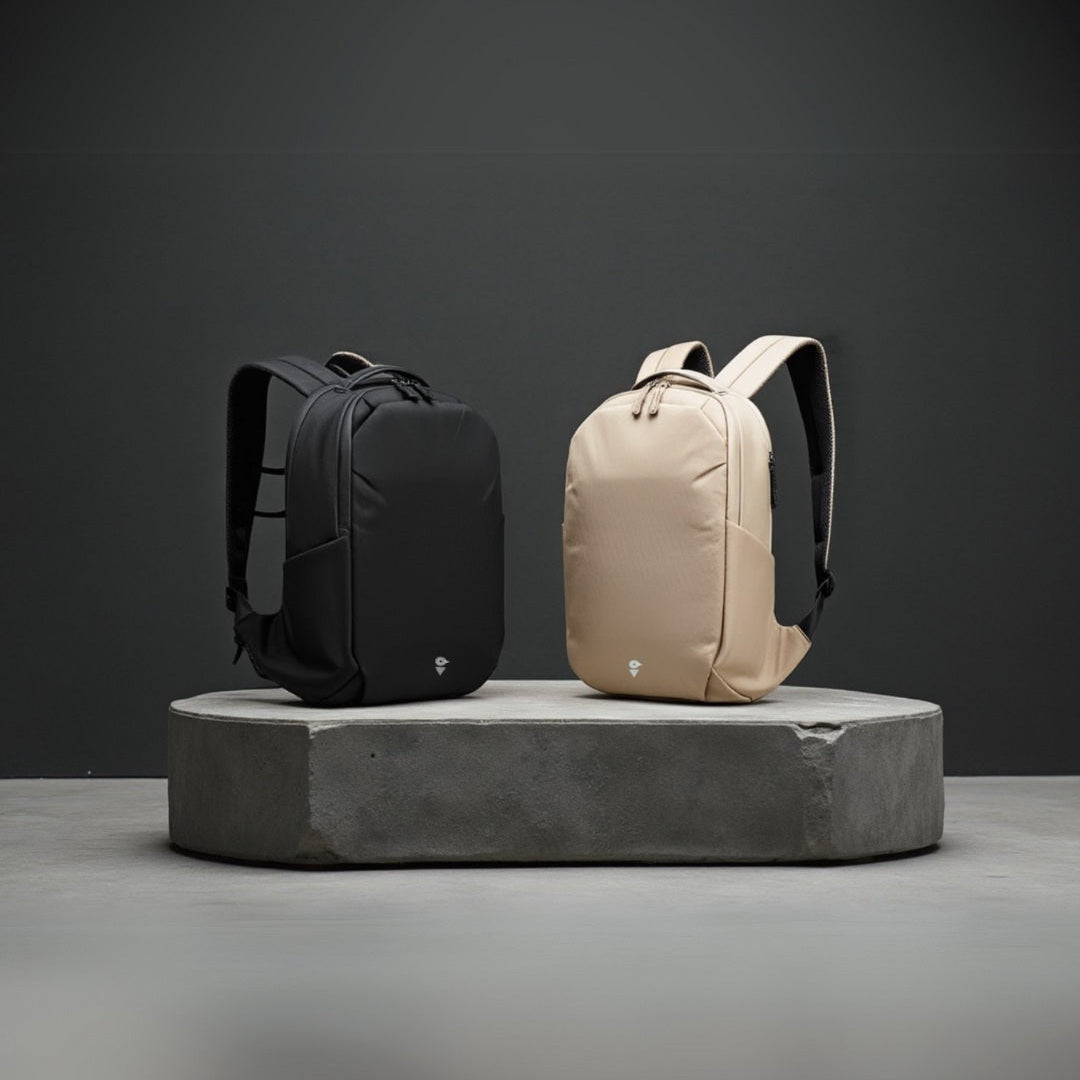
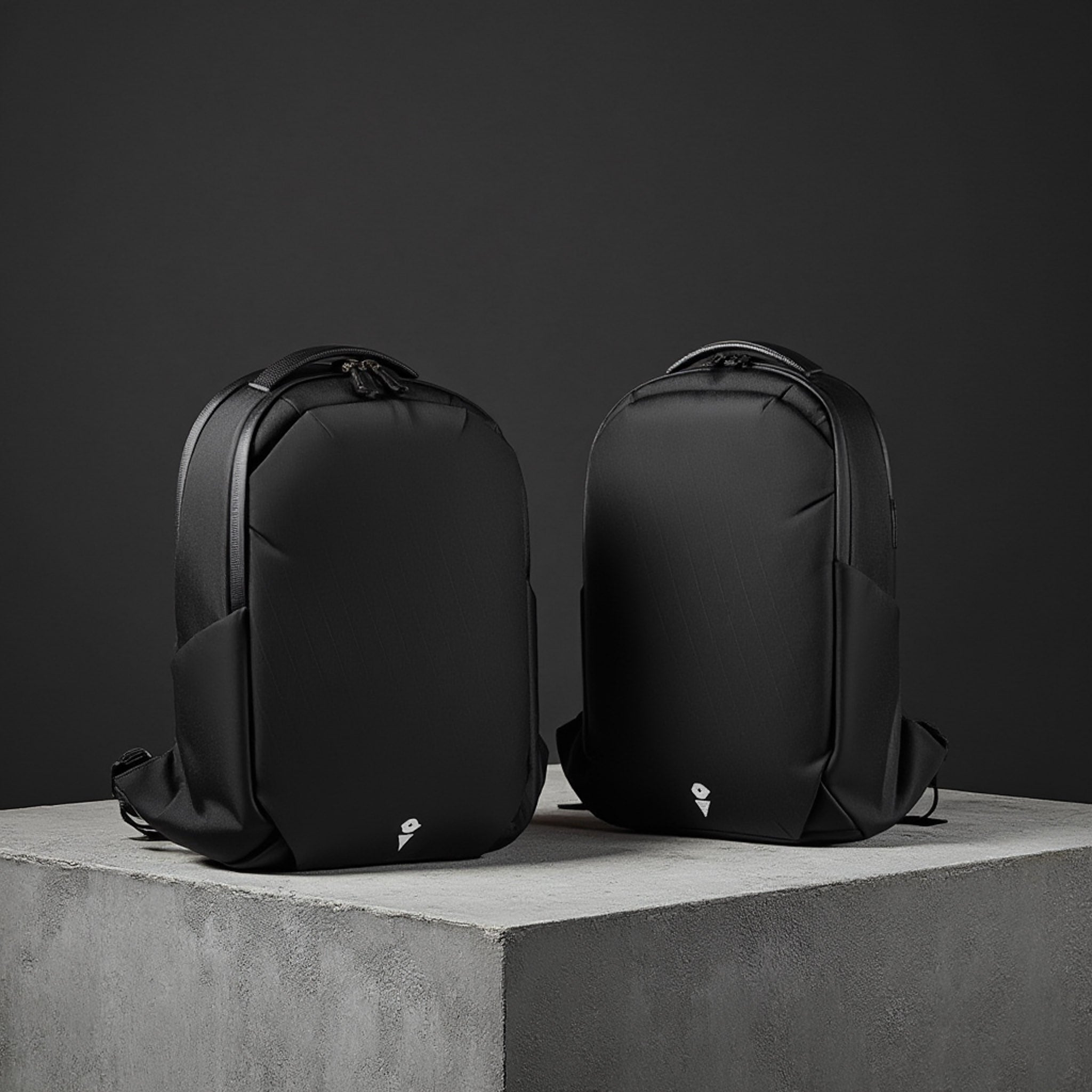
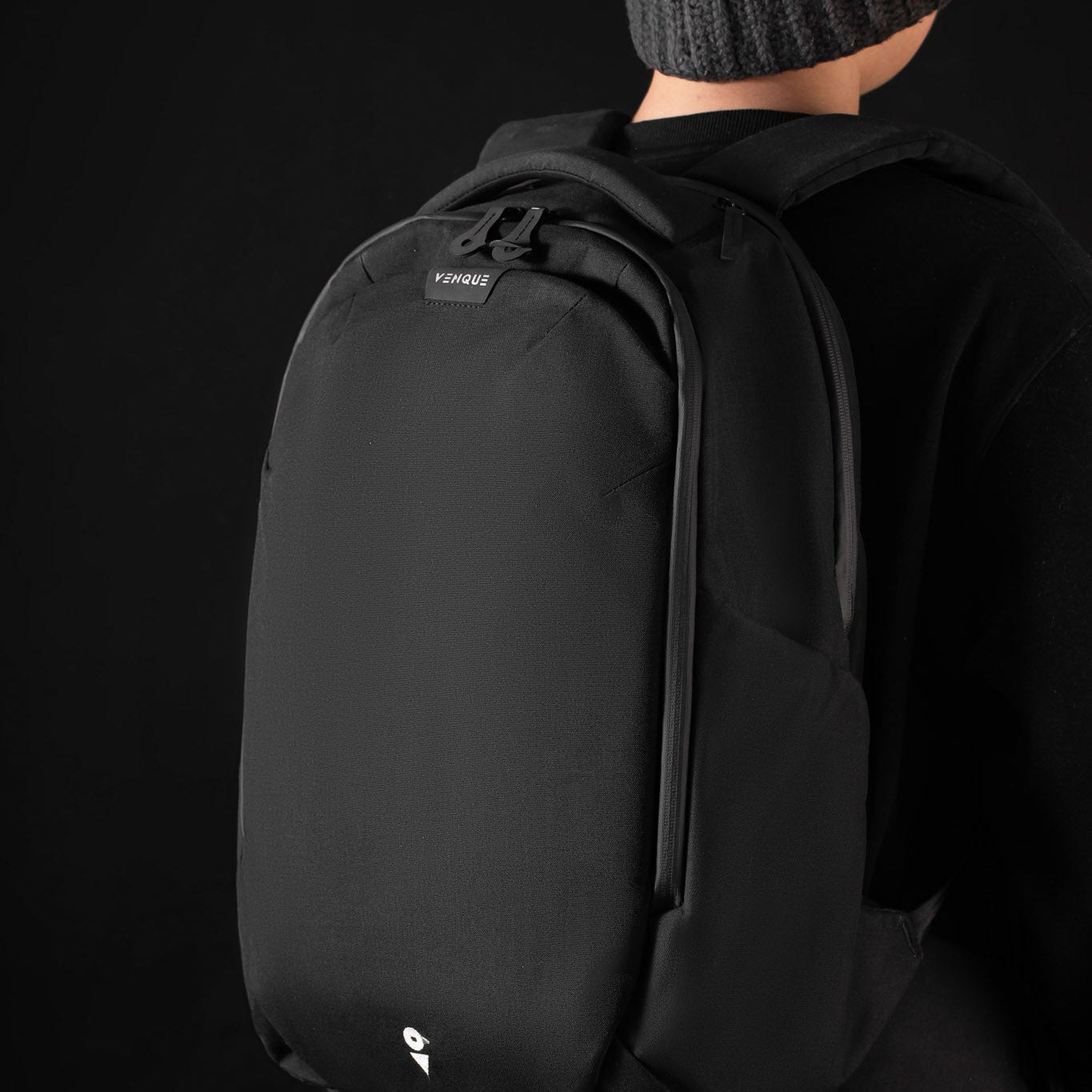
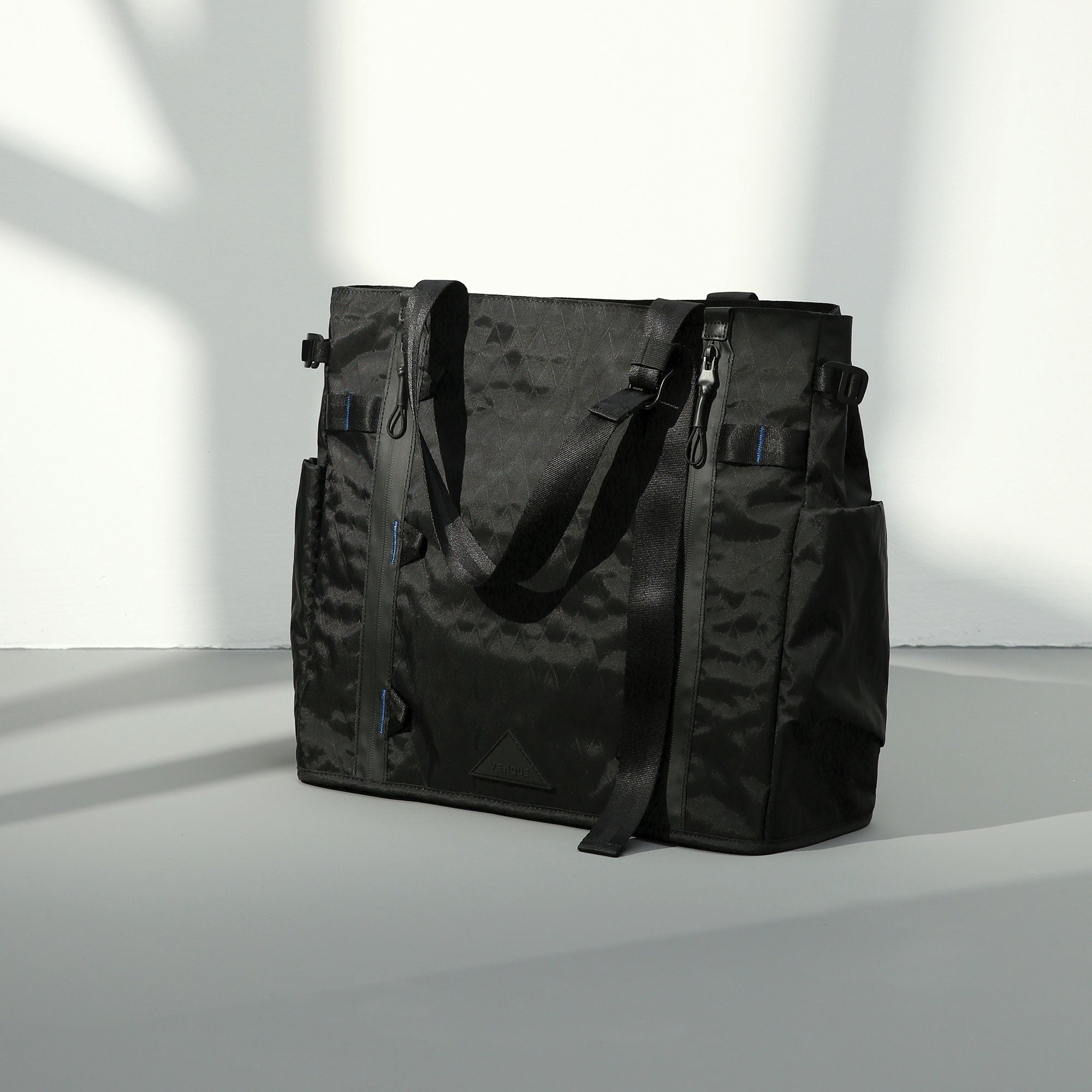
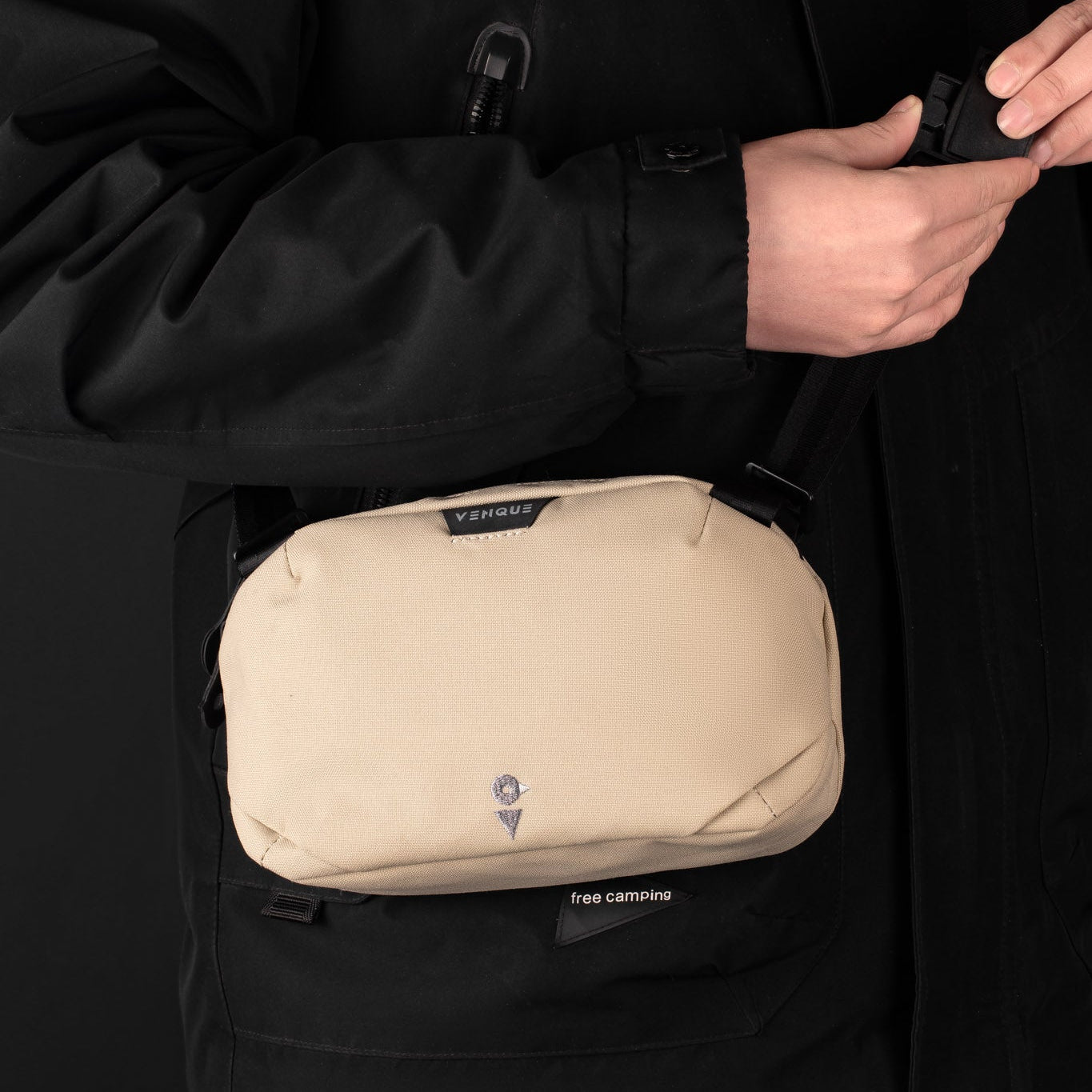
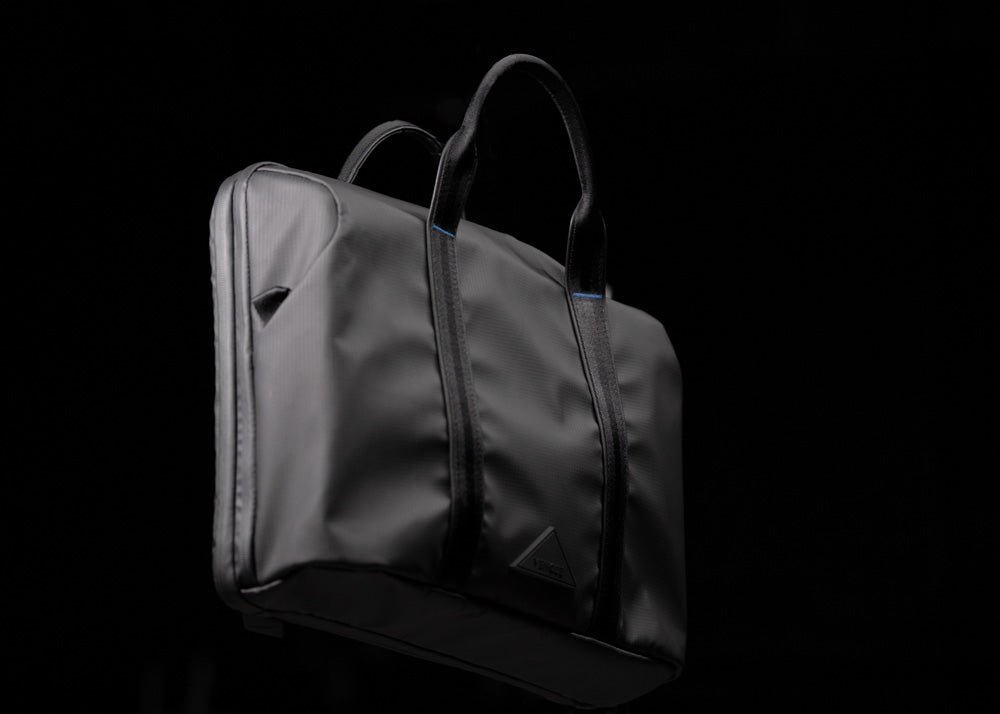
Bags and carry. The strongest category by a distance, because a bag is used daily, seen publicly, and — uniquely — creates space rather than consuming it. It's the only promotional product that makes the rest of your kit easier to transport.
Drinkware, but only one. An insulated bottle at the tier people already buy gets daily use. A twelfth mug does not. One good bottle beats three mediocre ones.
Tech accessories above the disposable line. A proper cable, a real power bank, a decent laptop stand. The $4 branded cable that dies in a month does anti-marketing every time it fails.
Notebooks people would buy. Hardcover, good paper, debossed rather than printed. The catalogue version with the curling cover is a different product wearing the same name.
Categories to stop buying
The flat cotton tote. The most produced and least carried object in corporate history. It's usually already holding another tote.
Desk novelties. Stress balls, fidget items, branded plastic anything. They fail the drawer test on day one.
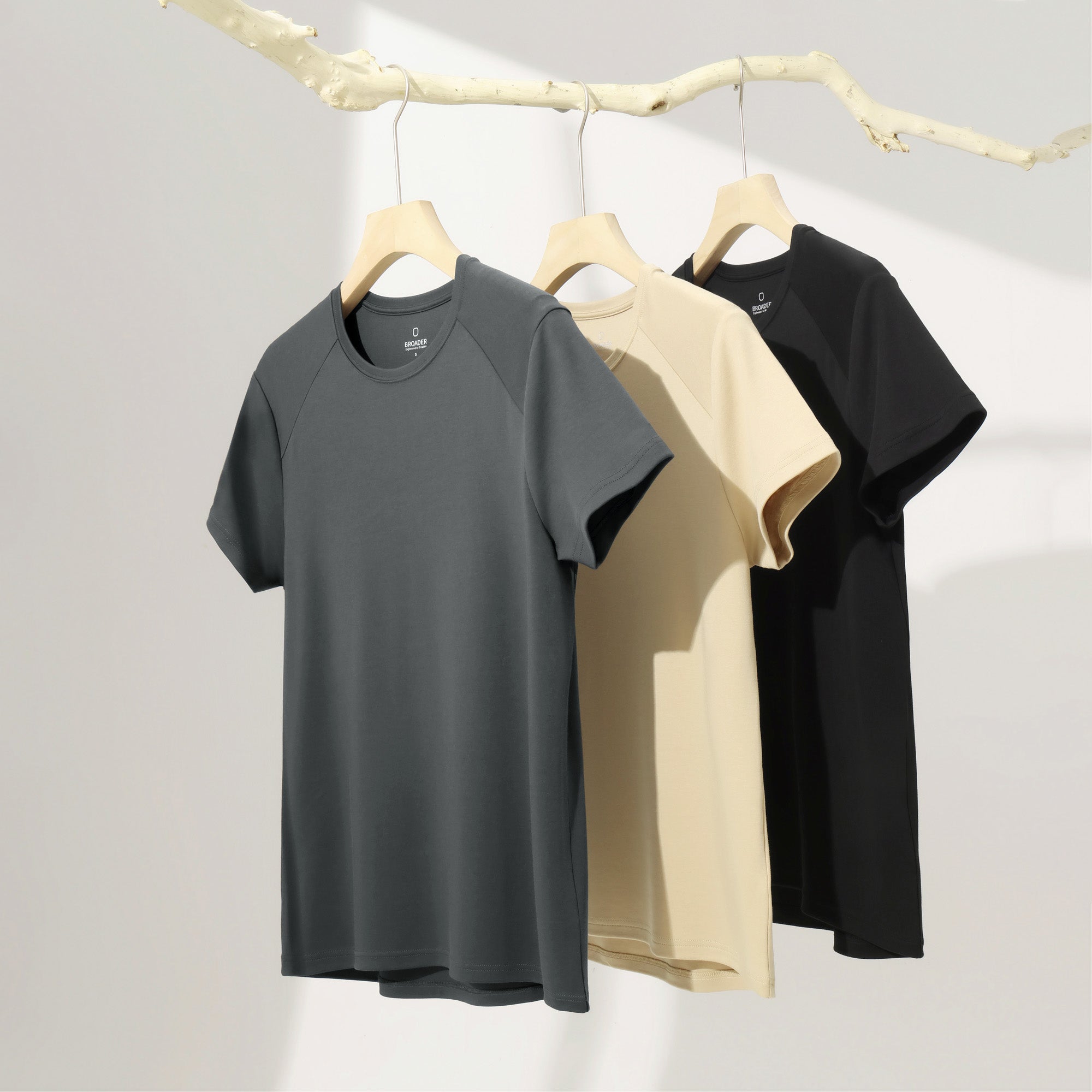
Apparel below the wear line. Branded clothing splits cleanly: at the quality of what people already wear it gets worn and photographed; below it, it's donated by spring. There's very little middle.
Printed collateral. Heavy, instantly dated, read by nobody. Put it behind a QR code and spend the print budget on the one item that survives.
What promotional products cost in Canada
Prices span an enormous range, and the range tells you exactly what you're buying:
$2–$15
Giveaway tier
Pens, totes, lanyards, novelties. Appropriate for high-volume trade show handouts where the goal is reach, not retention. Assume most of it is discarded.
$40–$150
Retention tier
Bags, quality drinkware, real tech accessories. Items with genuine retail value, branded by engraving or debossing rather than printing. This is where promotional spend starts returning something.
Best cost per impression$200+
Executive tier
Client gifts, milestone awards, VIP and speaker programmes. Usually personalized per recipient rather than branded.
Watch the line items that don't appear in the headline quote: logo setup fees, per-location branding charges, sampling costs, and shipping. On a small order these can add 20–30% to what you were quoted. Ask for an all-in number before comparing suppliers.
Four things that are different about buying in Canada
1. Cross-border costs are real. Ordering promotional products from a US supplier can trigger duty and brokerage that adds meaningfully to landed cost, plus border delays that wreck a fixed event date. A Canadian supplier shipping domestically avoids both. When comparing quotes, compare landed cost, not sticker price.
2. Minimums are the real constraint. Overseas factories often want 500–1,000 units. Most Canadian promotional distributors start at fifty or more. For a forty-person company or a ten-person speaker list, that arithmetic simply doesn't work — you either over-order or you buy down a tier. Programmes with genuinely low minimums are what make premium promotional products accessible to smaller teams. Ours start at 10 pieces.
3. Bilingual and regional considerations. If your programme covers Quebec, decide early whether packaging and inserts need French. Retrofitting it after production is expensive.
4. Seasonality is sharper than people expect. Canadian promotional buying spikes hard in September — fall conference season and Q4 planning colliding — and again in November for holiday gifting. Suppliers get slower and pricier in both windows. Ordering in July or August for a fall event is the single cheapest optimisation available.
Timelines: work backwards, always
A realistic schedule for quality custom work:
| Stage | Time | What happens |
|---|---|---|
| Mockup | ~48 hours | Your logo rendered on the actual product, in each placement option. Should be free. |
| Physical sample | 1–2 weeks | A real branded unit in your hands. Non-negotiable above the giveaway tier. |
| Production | 6–8 weeks | Manufacturing, branding, quality check, packing. |
| Delivery | Days to 2 weeks | To one office, a venue, or individual addresses. |
Call it 10 to 12 weeks door to door. If a supplier promises fully custom premium goods in two weeks, ask which of those four stages they're skipping — it's usually the sample.

Branding method matters more than logo size
The single highest-leverage decision in promotional products costs nothing: make the mark smaller and better executed. Screen printing is cheap and degrades — it cracks and fades precisely because the item is being used, which is the outcome you paid for. Laser engraving on metal, debossing into leather, and tone-on-tone embroidery all age well.
And a quieter mark gets carried further. People will use a subtly branded item everywhere; they'll use a billboard only at your event. If impressions are the goal, the small logo wins on volume. We cover placement options in detail in our custom branded backpacks buyer's guide.
How to choose a promotional products supplier
1. Ask who designed the product. Most promotional distributors resell generic imports with logos added — they control the decoration, not the product. Brands that design and sell their own goods at retail control materials, build, and consistency. It's the clearest quality signal available.
2. Insist on a free mockup on the actual item. Any serious supplier renders your logo on the real product before asking for a purchase order.
3. Insist on a physical sample. Photography hides weight, finish, and hardware. Hold it before you order eighty.
4. Get the all-in number. Decoration, setup, packaging, and shipping quoted up front — not discovered on the invoice.
5. Check the minimum against your actual need. If the minimum forces you to buy 50 when you need 15, you haven't found a cheaper supplier; you've found a more expensive one.
A simple allocation rule
Most promotional budgets fail by being spread evenly. The fix is structural: decide who actually matters, and spend unevenly on purpose.
For a typical Canadian programme — say a 300-person conference with a 30-person VIP list and 10 speakers — giving everyone an identical $35 kit spends the entire budget on the 260 people least likely to become customers. Tiering it (a considered small item broadly, a premium branded bag for VIPs, personalized gifts for speakers) usually costs the same or less and is remembered by the forty people who drive the pipeline.
The same logic applies internally: see our anti-swag guide for the employee version, and our swag bags guide for the event version.
Frequently asked questions
What are promotional products?
Branded merchandise given to employees, clients, or event attendees to build recognition and goodwill — ranging from pens and totes at the giveaway end to bags, drinkware, and tech at the retention end. The distinction that matters isn't the category but whether the recipient uses the item.
How much do promotional products cost in Canada?
Roughly three tiers: $2–$15 for giveaway items, $40–$150 for retention-grade goods like bags and quality drinkware, and $200+ for executive and client gifts. Setup fees, decoration charges, and shipping are often quoted separately, so ask for an all-in price when comparing.
What is the minimum order for promotional products in Canada?
Most Canadian distributors start at fifty units or more, and overseas factories often require 500 to 1,000. Programmes with low minimums are the exception — ours start at 10 pieces, including custom gift boxes, which makes premium promotional products viable for small teams and single events.
How far in advance should promotional products be ordered?
Plan 10 to 12 weeks for custom premium items: mockup in about 48 hours, physical sample in one to two weeks, production in six to eight weeks, plus delivery. Canadian demand spikes in September and November, so ordering in July or August for a fall programme is cheaper and faster.
Which promotional products actually work?
Ones people use daily. Bags lead the category because they're carried publicly and create space rather than consuming it. Quality insulated drinkware, tech accessories above the disposable tier, and good notebooks follow. Totes, desk novelties, and low-tier apparel consistently fail.
Is it better to buy promotional products from a Canadian supplier?
Usually, for landed cost and timing rather than patriotism. US suppliers can add duty, brokerage, and border delay that undermine both your budget and a fixed event date. Compare landed cost and guaranteed delivery date, not sticker price.
Should promotional products have a large logo?
No. A smaller, better-executed mark — engraved, debossed, or tone-on-tone — gets carried outside your office, which is where impressions actually accumulate. Large printed logos confine an item to company events and degrade with use.
Buying promotional products for a Canadian team?
Venque makes premium branded backpacks in Toronto — your logo engraved, debossed, or hidden inside, from 10 pieces, with custom gift boxes included. Free mockup on the actual bag within 48 hours.
See Branded Backpacks