



Venque Corporate · Onboarding
A practical list for HR and People teams building onboarding kits — ranked by what new hires actually keep using after week one.

First days are remembered. Somewhere between the laptop setup and the fourth password reset, your new hire forms an impression of how much thought this company puts into its people — and the welcome kit on their desk is Exhibit A.
The problem: most employee welcome kits are assembled from a swag catalogue in twenty minutes. A logo mug, a squishy stress ball, a pen. New hires can tell. By February, all of it is in a drawer.
This list takes the opposite approach. Ten welcome kit ideas Canadian companies are actually using in 2026 — ranked by one metric: is it still in use six months later?
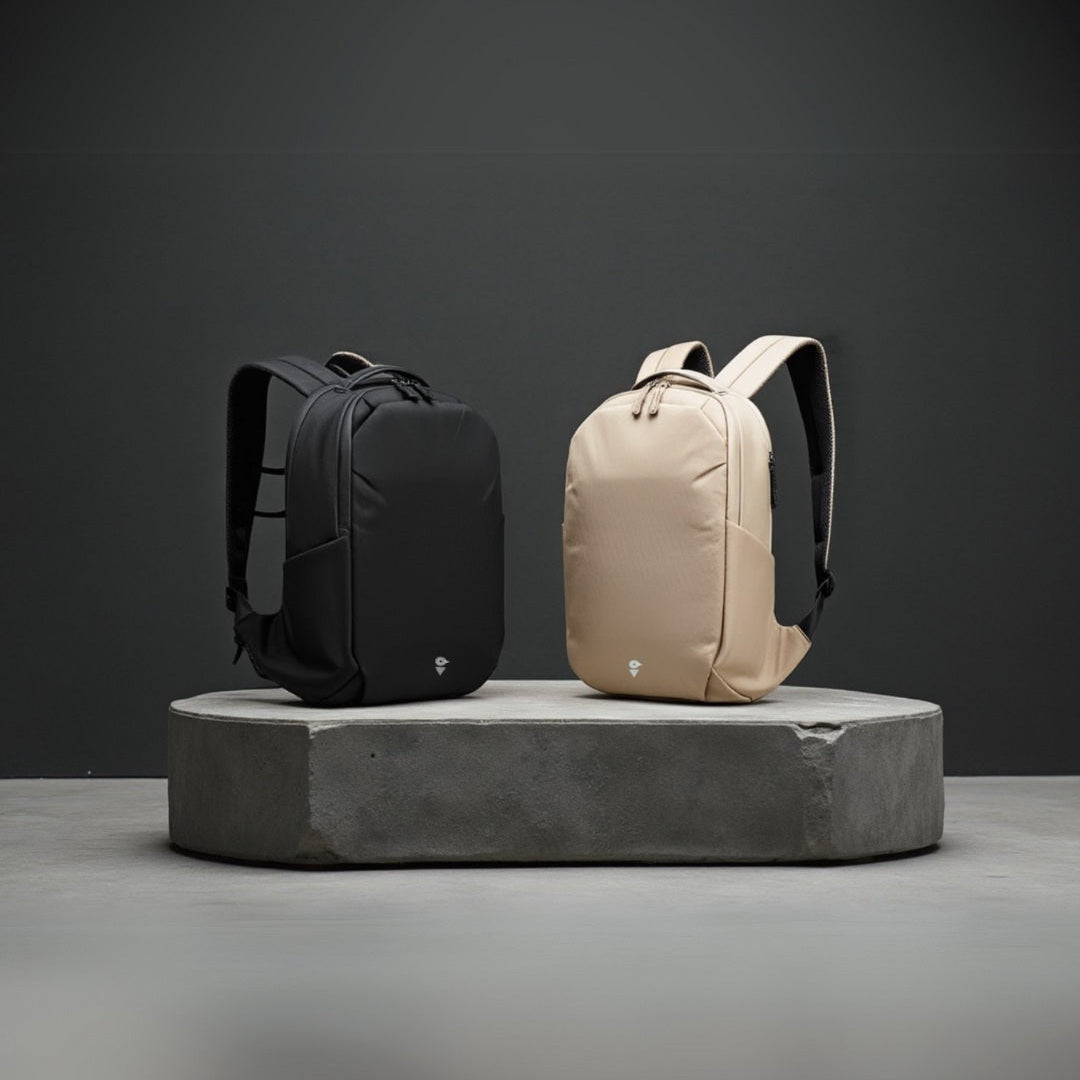
01A premium backpack (yes, it can carry your logo)
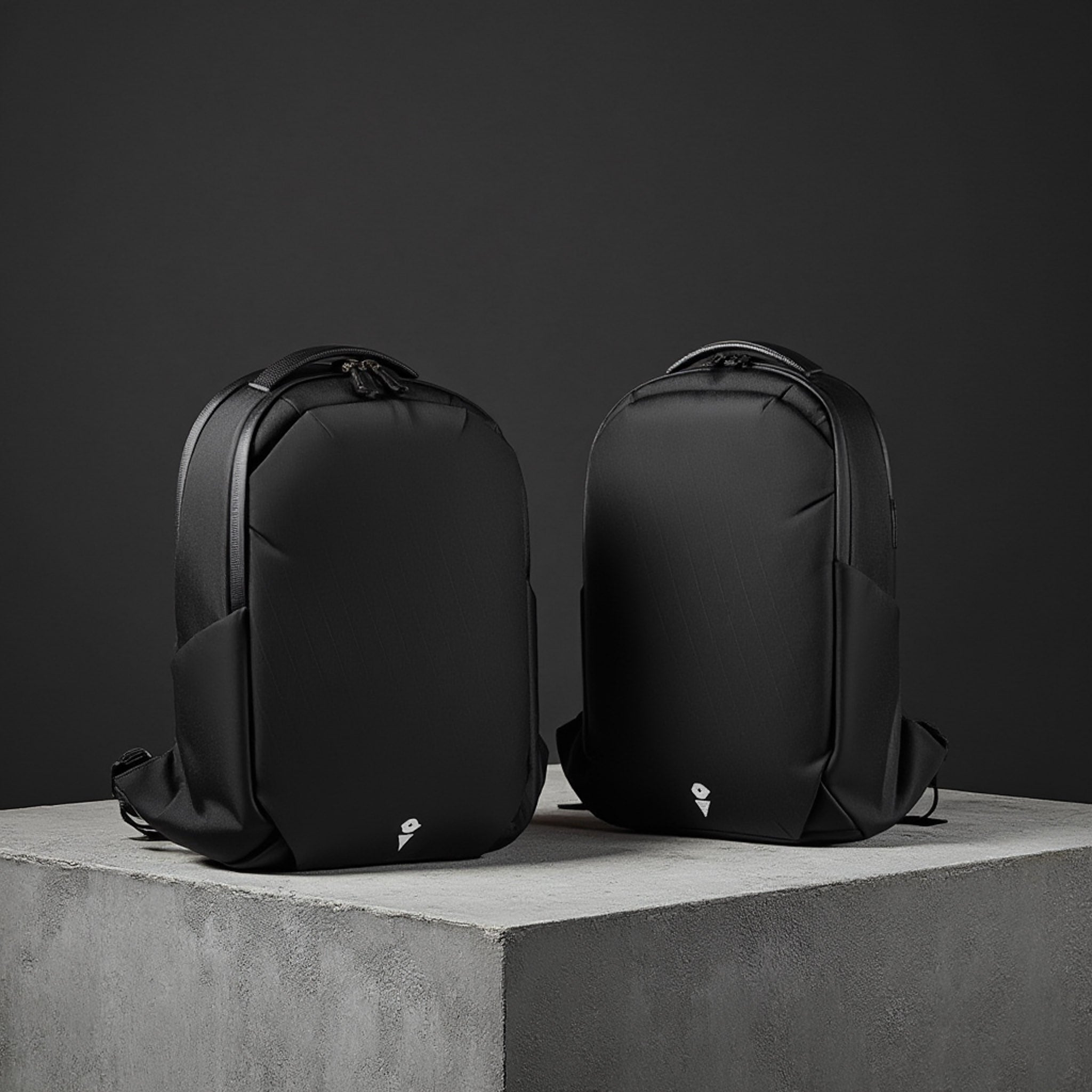
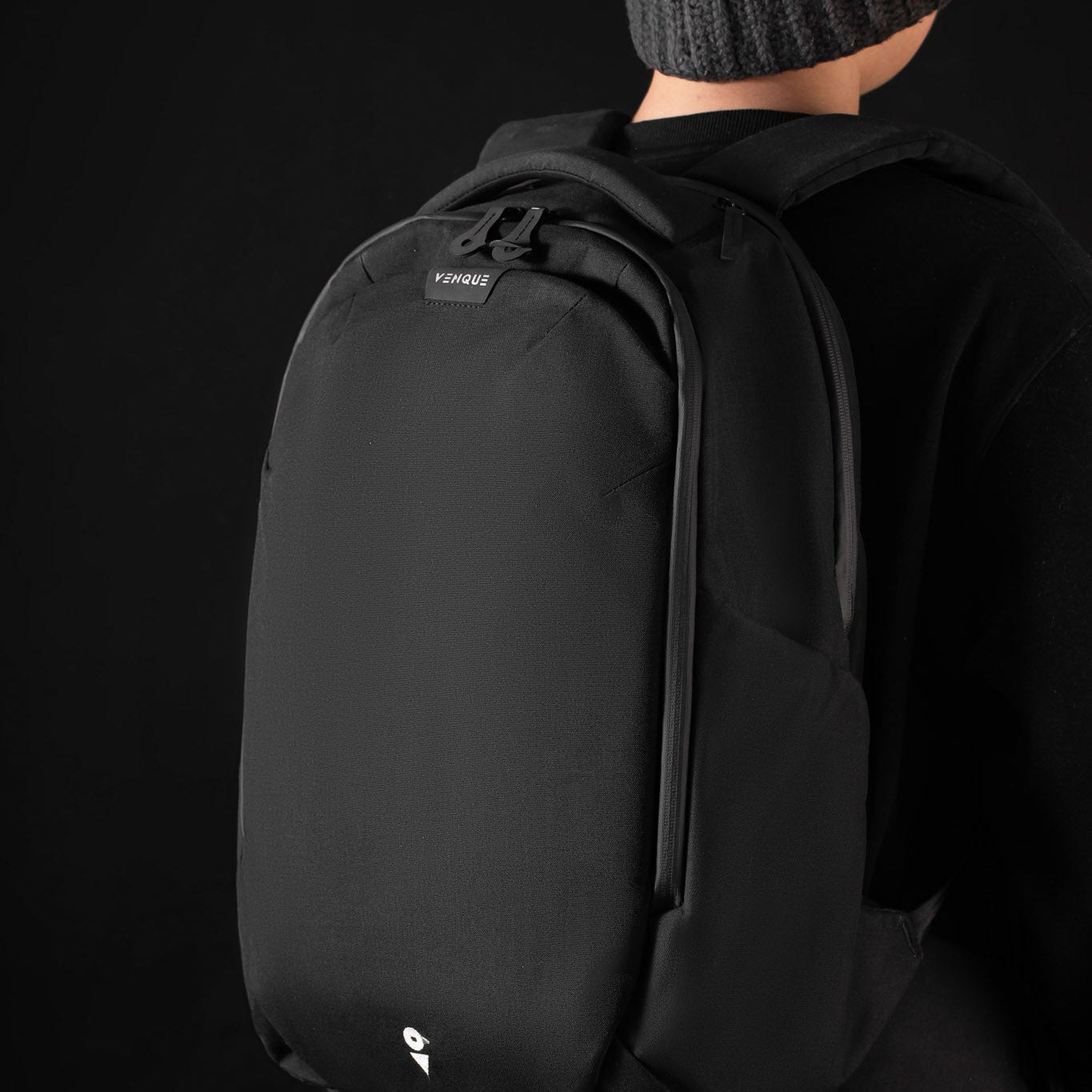
Here's the one most HR teams don't know: backpacks can be custom branded — and not with a giant screen-printed logo. Modern customization means your company's mark laser-engraved on a metal plate, debossed into leather, or placed inside the bag where only your new hire ever sees it.
That hidden-logo option matters more than it sounds. A welcome gift with discreet branding is a gift; one with a billboard logo is marketing the employee didn't ask to wear. The best programs let you choose.
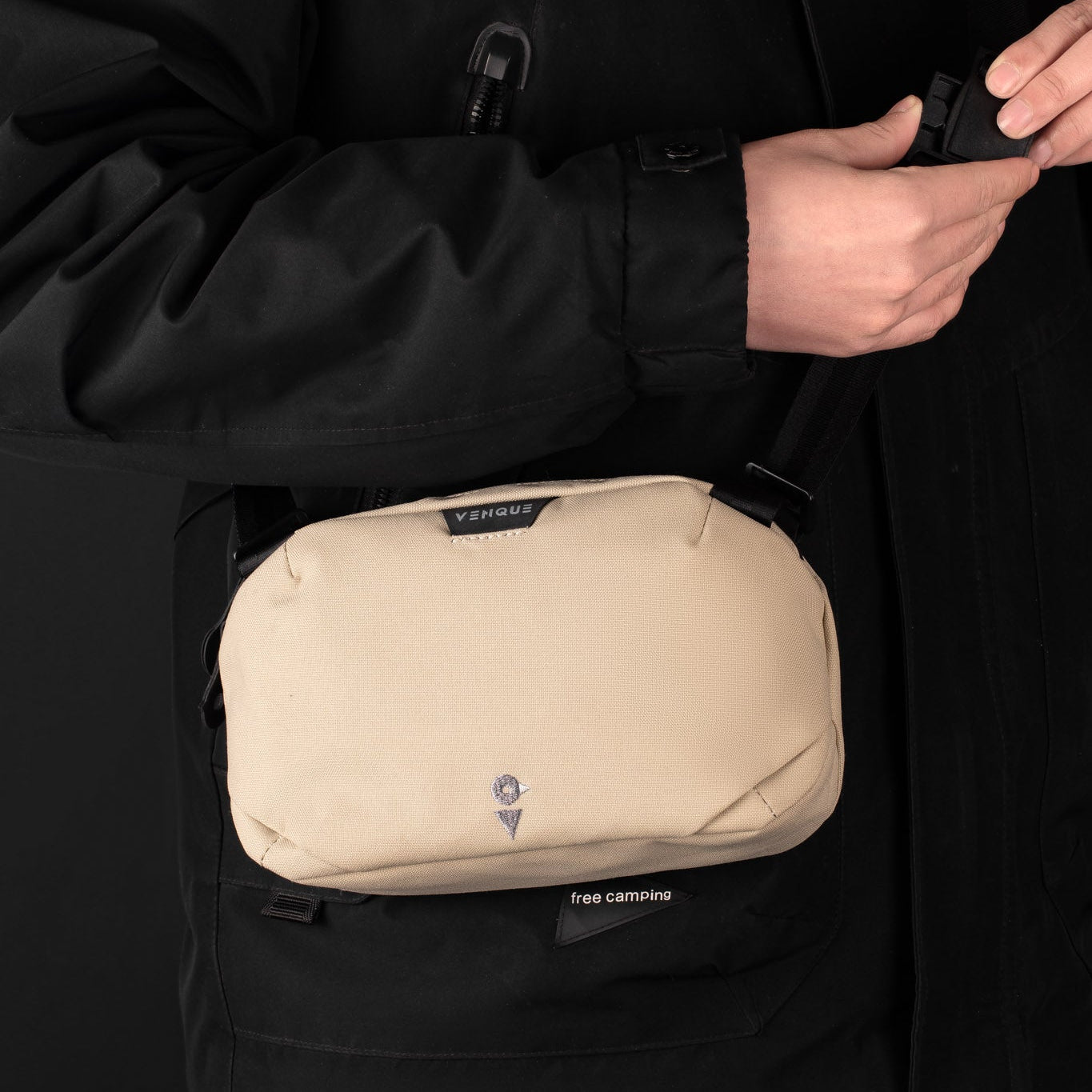
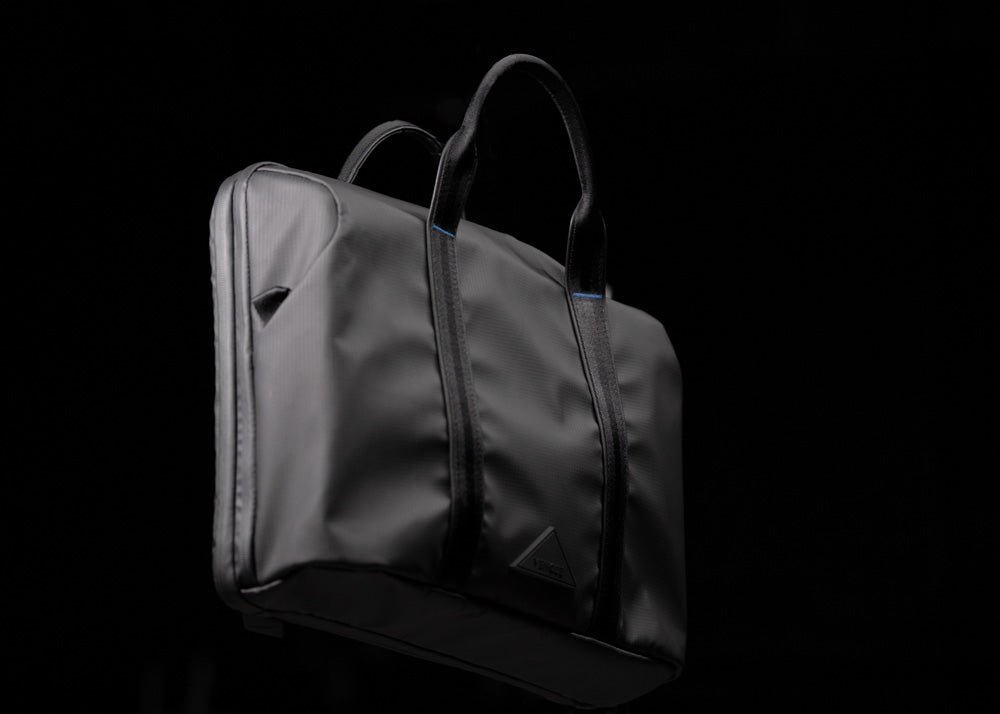
A quality backpack is the single highest-use item you can put in a kit — carried to the office, through airports, on weekends, for years. Canadian programs now start at minimums as low as 10 units, which puts this within reach of small teams, not just enterprises. See how logo placement works in our custom branded backpacks buyer's guide, or compare the bags on our branded backpacks page.


02Quality over quantity: one great item beats seven fillers
The strongest kits we've shipped contain three to five items, not twelve. Every filler item (the stress ball, the third sticker sheet) dilutes the message of the good ones. Budget rule of thumb: put 60–70% of your per-hire spend into one anchor item people keep, and the rest into consumables they enjoy in week one.
03A handwritten note from their manager
Costs nothing, outperforms everything. Two or three specific sentences — why the team chose them, what everyone's excited about — turns a box of objects into a welcome. The rarest item in any kit in 2026 is handwriting.
04Local, not logo: Canadian-made consumables
Coffee from a roaster near the office. A candle or chocolate from a local maker. Skip the branded versions — the point is "we're rooted somewhere real," which lands harder than another logo'd object. Bonus: for distributed teams, ship something local to headquarters, not to the employee's city. It builds connection to the company's home.
05The tech kit they'd never buy themselves
A genuinely good webcam, a proper laptop stand, a quality mouse — the tier above what IT issues by default. Useful daily, remembered every meeting. Pairs naturally with the backpack: the gear lives in it.

06A notebook worth writing in
Not the promo-catalogue one with the cover that curls. A hardcover notebook people would pay $25 for themselves. If you brand it, deboss it — tone-on-tone, no colour.
07First-day fuel: a coffee or lunch card
A $25 card for a café near the office (or a delivery credit for remote hires) with a note: "First coffee's on us — ask anyone on the team to join you." It's less about the coffee and more about engineering the first social moment.
08Apparel — but only if it's actually good
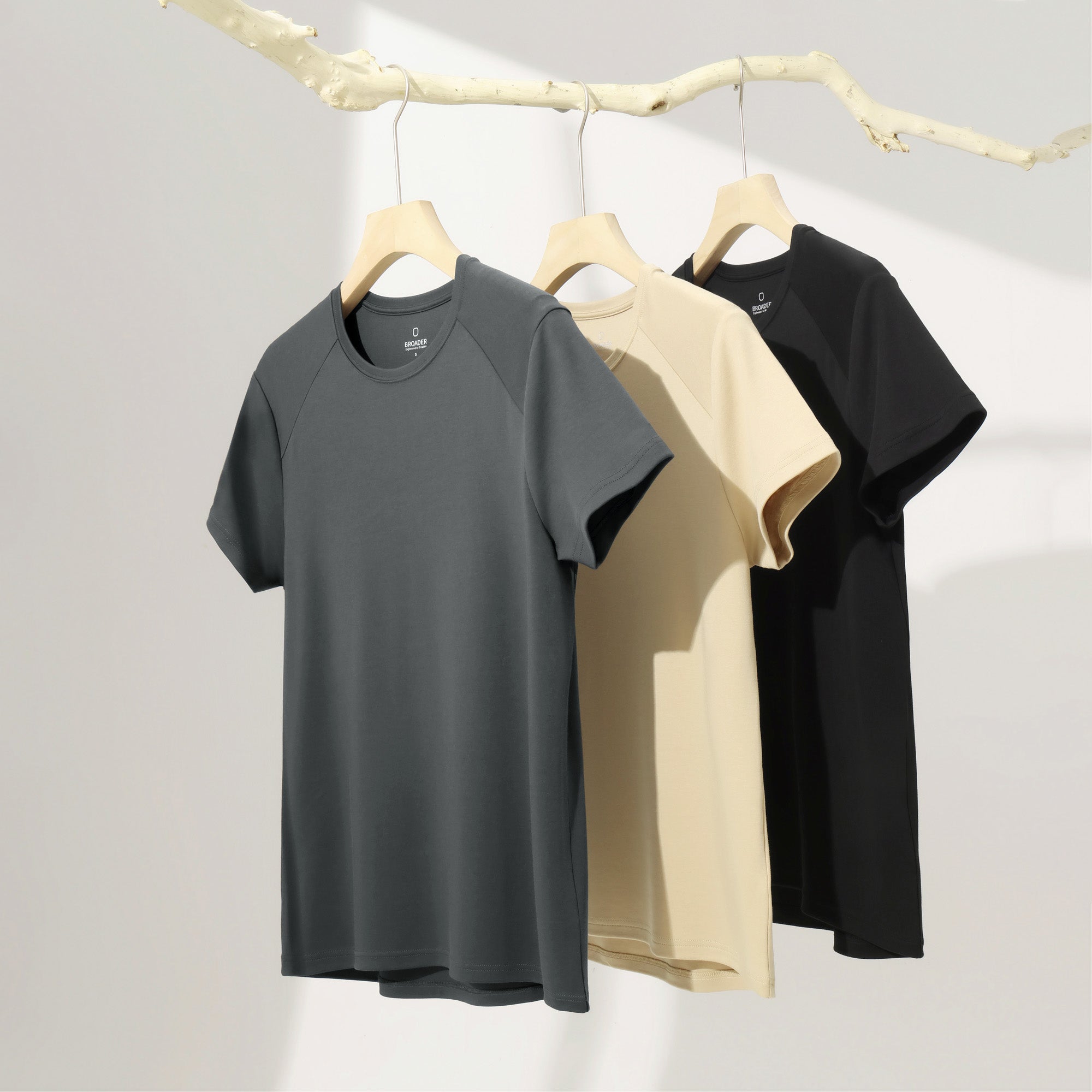
The branded hoodie is the most polarizing kit item: loved when it's a quality blank with subtle embroidery, landfill when it isn't. If you can't source apparel at the level people already wear, skip it and put the budget into item #1.

09The practical unlock: everything they need for day one, in one place
Login checklist, org chart with faces, "who to ask about what," the wifi password. Print it beautifully on one card. The most appreciated item in many kits is simply not having to ask.
10Packaging that makes it a moment
Presentation is half the gift. A custom branded box — even simple kraft with a one-colour logo — turns a pile of items into an unboxing. If the kit ships to remote hires, the box is their first day. Custom gift boxes are available at surprisingly low minimums in Canada (ours start at 10).

If you're building kits for a September onboarding class, work backwards: custom-branded anchor items (backpacks, quality apparel) typically need 6–8 weeks of production after sample approval. Start conversations in early July; late July is the practical cutoff for guaranteed September delivery.
What does a good welcome kit cost in Canada?
Real numbers from programs we've quoted: a filler-heavy swag kit runs $40–$70 per hire and gets forgotten. A considered kit — one premium anchor item (typically $80–$150), two or three quality consumables, custom packaging — lands between $150 and $250 per hire and gets talked about. For the cost of two swag kits, you get one that does the job.

Frequently asked questions
What should be in an employee welcome kit?
One high-quality anchor item they'll use daily (a premium backpack is the most-kept item we see), a handwritten note, one or two local consumables, a practical day-one info card, and presentation-grade packaging. Three to five items beats twelve.
Can you really put a company logo on a premium backpack?
Yes — engraved on a metal plate, debossed into leather, or placed inside the bag where only the employee sees it. Hidden interior placement is now the most requested option among Canadian corporate buyers.
What's a reasonable welcome kit budget per employee?
$150–$250 per hire builds a kit people keep and mention. Below $75, you're usually buying items that end up in a drawer.
How far in advance should we order custom items?
Plan 10–12 weeks before your onboarding date for custom-branded anchor items: mockup in about 48 hours, physical sample in 1–2 weeks, production in 6–8 weeks.
Building welcome kits for fall onboarding?
The Venque Envoy executive backpack anchors welcome kits for Canadian teams — your logo where you want it (including hidden inside), custom gift boxes included, minimums from 10 units. Designed in Toronto.
Explore Venque Corporate
