
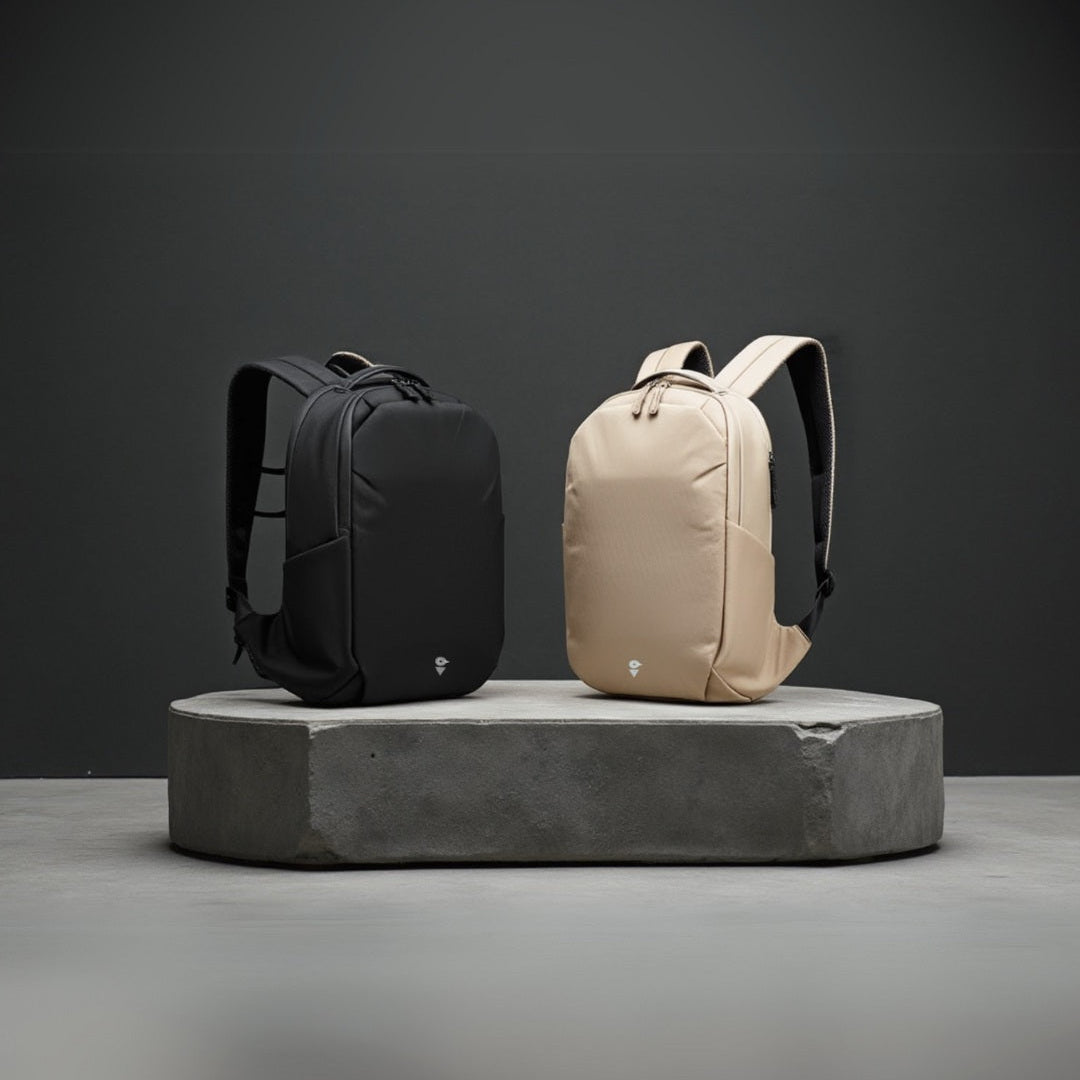
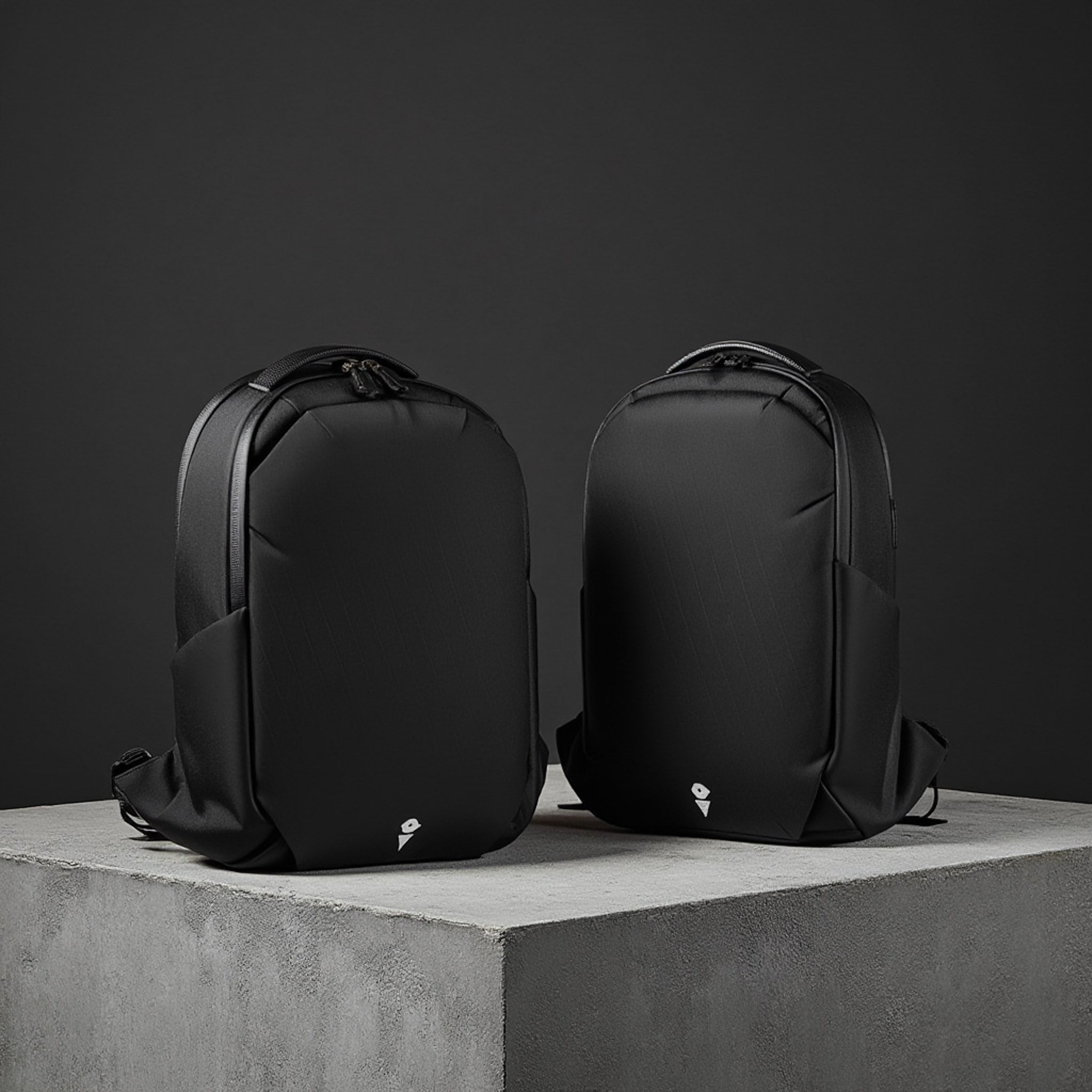
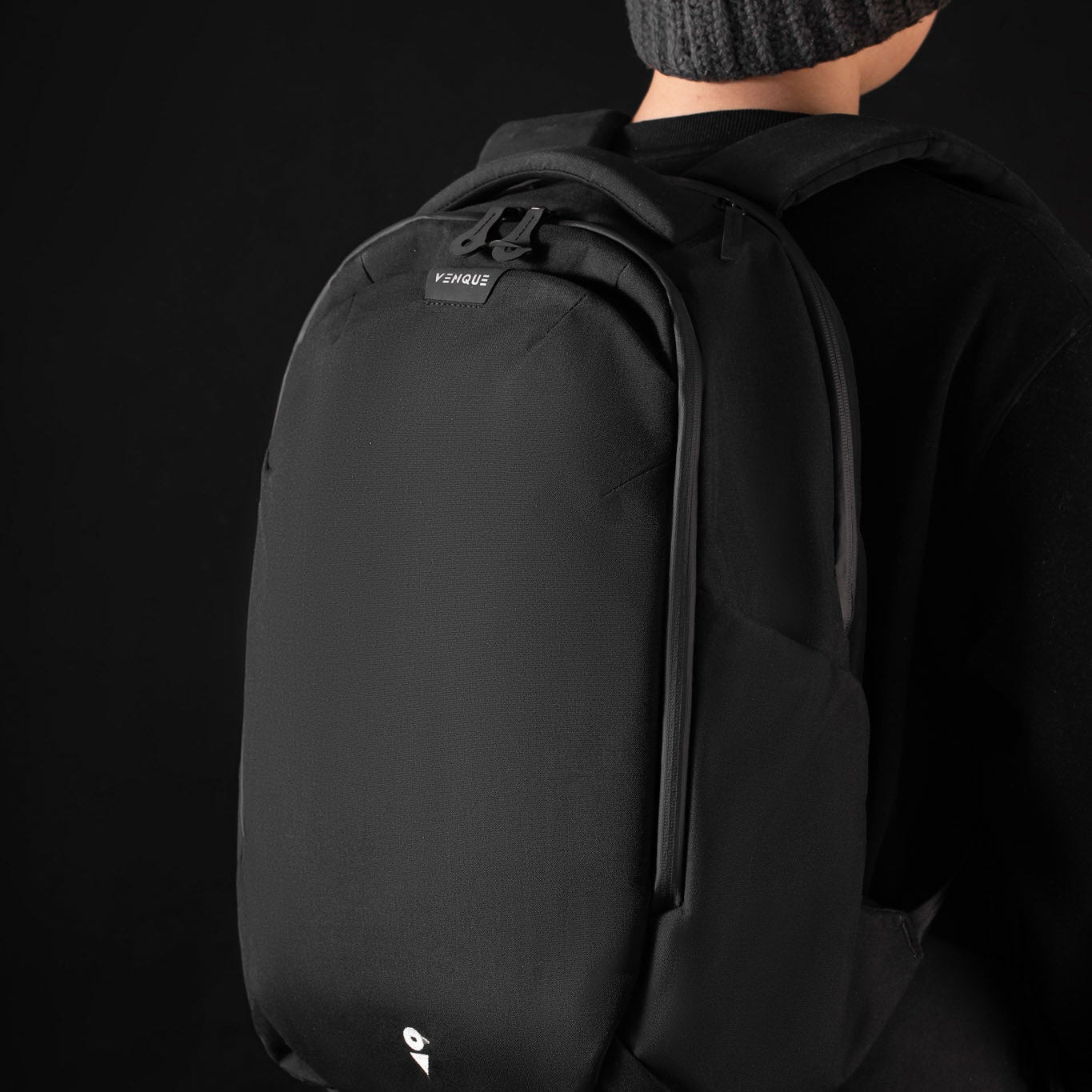
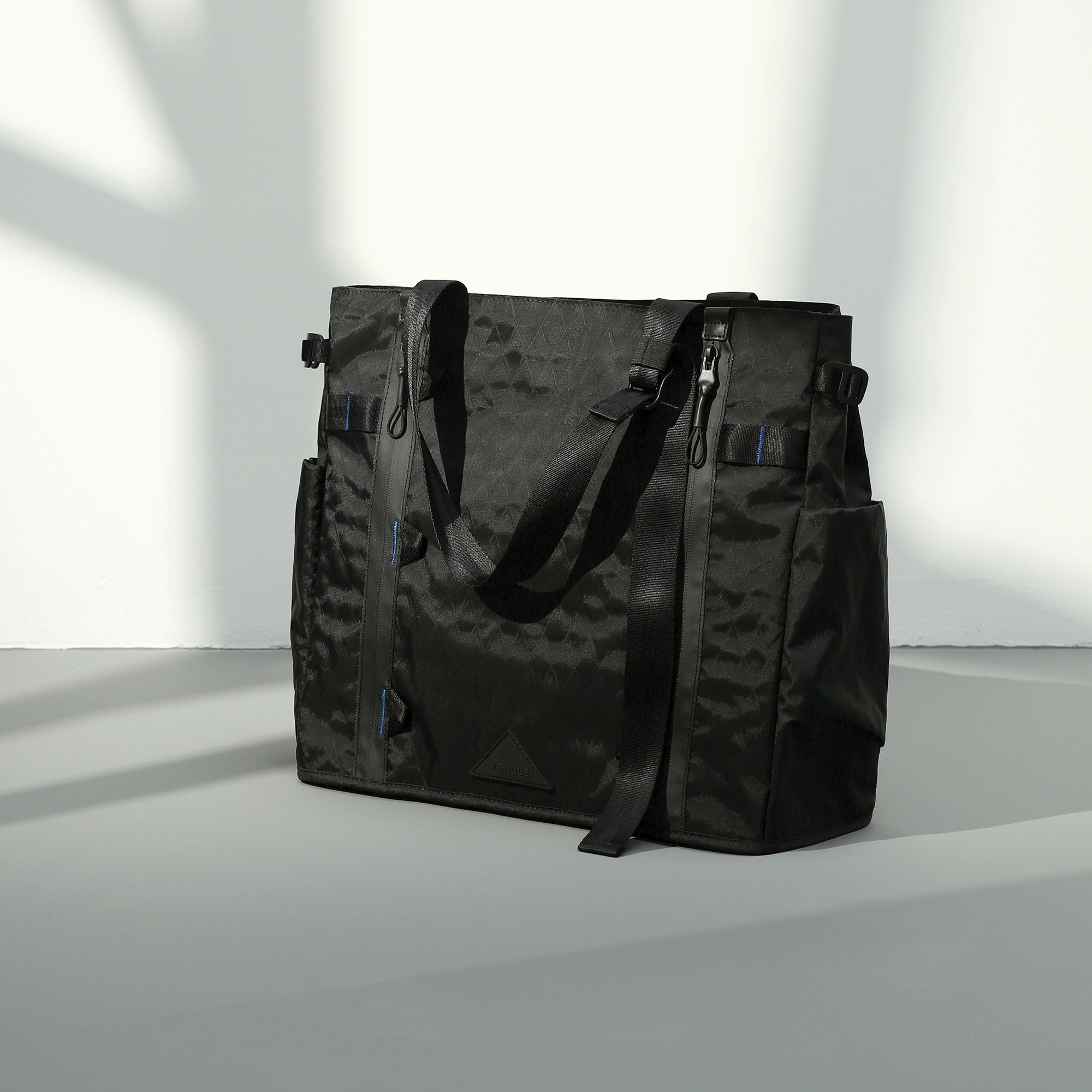



Quick answer: a carry-on goes in the overhead bin and is usually up to about 55 × 40 × 23 cm. A personal item goes under the seat in front of you and is usually up to about 43 × 33 × 16 cm. Full-service airlines like Air Canada include both on most fares, though Air Canada's Economy Basic includes only a personal item on North American routes (see our Air Canada guide). Budget airlines like Flair and Ryanair include only the personal item and charge for the carry-on.
You're booking a flight and the airline lists "carry-on bag" and "personal item" as two separate options. Are they the same thing? Can your backpack count as either? What actually fits under the seat versus the overhead bin?
This distinction trips up a lot of travellers — and getting it wrong means a surprise gate-check fee or a frantic reshuffle at the boarding gate. This guide breaks down what each term means, what Canadian and international airlines allow in 2026, and which bags work for each.
Carry-on vs personal item: the core difference
Carry-On Bag
Goes in the overhead bin above your seat. Larger — typically around 55 × 40 × 23 cm. Included on most full-service tickets.
Personal Item
Goes under the seat in front of you. Smaller — typically around 43 × 33 × 16 cm. Free on almost all airlines, including budget carriers.
The key difference is size and placement — not bag type. Both travel in the cabin with you. Neither is checked. Most full-service airlines allow one of each at no extra charge. Budget carriers usually charge for the carry-on while allowing a smaller personal item for free. Some basic-economy fares also restrict the carry-on, so check your fare type, not just your airline.
Carry-on and personal item size rules by airline (2026)
| Airline | Carry-on (overhead) | Personal item (under seat) | Carry-on included? |
|---|---|---|---|
| Canadian airlines | |||
| Air Canada | 55 × 40 × 23 cm | 43 × 33 × 16 cm | Yes on most fares |
| WestJet | 56 × 36 × 23 cm | 41 × 33 × 15 cm | Yes on most fares |
| Porter Airlines | 53 × 38 × 23 cm | 43 × 33 × 15 cm | Yes on most fares |
| Air Transat | 53 × 38 × 23 cm | 43 × 30 × 15 cm | Yes on most fares |
| Flair Airlines | Paid add-on | 43 × 33 × 15 cm, 7 kg (free) | No — paid add-on |
| US & international airlines | |||
| United Airlines | 56 × 35 × 22 cm | 43 × 25 × 22 cm | Yes on most fares |
| Delta Air Lines | 56 × 35 × 23 cm | Must fit under the seat (no fixed size) | Yes |
| British Airways | 56 × 45 × 25 cm | 40 × 30 × 15 cm | Yes |
| Air France | 55 × 35 × 25 cm | 40 × 30 × 15 cm | Yes |
| Spirit Airlines | Paid add-on | 45 × 35 × 20 cm (free) | No — paid add-on |
| Ryanair | 55 × 40 × 20 cm, 10 kg (paid Priority) | 40 × 30 × 20 cm (free) | No — paid add-on |
⚠️ Sizes are the airlines' published limits as of 2026, including wheels and handles. Always verify your airline's current policy and your fare type before you fly — rules and fees change, especially on budget carriers.
✈️ Flying Air Canada or WestJet? Our Air Canada carry-on and personal item size guide and WestJet carry-on and personal item size guide cover the full rules, including what the cheapest fares allow and what happens at the gate. For WestJet checked bag fees, see our WestJet baggage allowance guide.
Can a backpack be a personal item?
Yes — a backpack qualifies as a personal item as long as it fits under the seat in front of you and within the airline's personal item dimensions. Airlines care about size, not whether it's a backpack, tote, laptop bag, or handbag. Soft-sided backpacks have an advantage: they compress to fit the space in a way hard cases can't.

Venque Transit Alpha 20L — Compact Personal Item Backpack
20Lapprox. 46 × 28 × 18 cmFits 16" laptopThe Transit Alpha is soft-sided and close to most under-seat limits, so on most full-service flights it slides under the seat in front of you when it isn't overstuffed. On airlines with smaller personal-item sizers, use it as your carry-on instead. Faraday-lined pocket, AirNano® foam back support, water-resistant nylon.
Can a backpack be a carry-on?
Yes — any backpack within the airline's carry-on dimensions qualifies as a carry-on. The bag type doesn't matter; only the dimensions do. A 40L backpack within the airline's maximum size goes in the overhead bin exactly like a rolling carry-on — and it's easier on stairs, cobblestones, and trains.
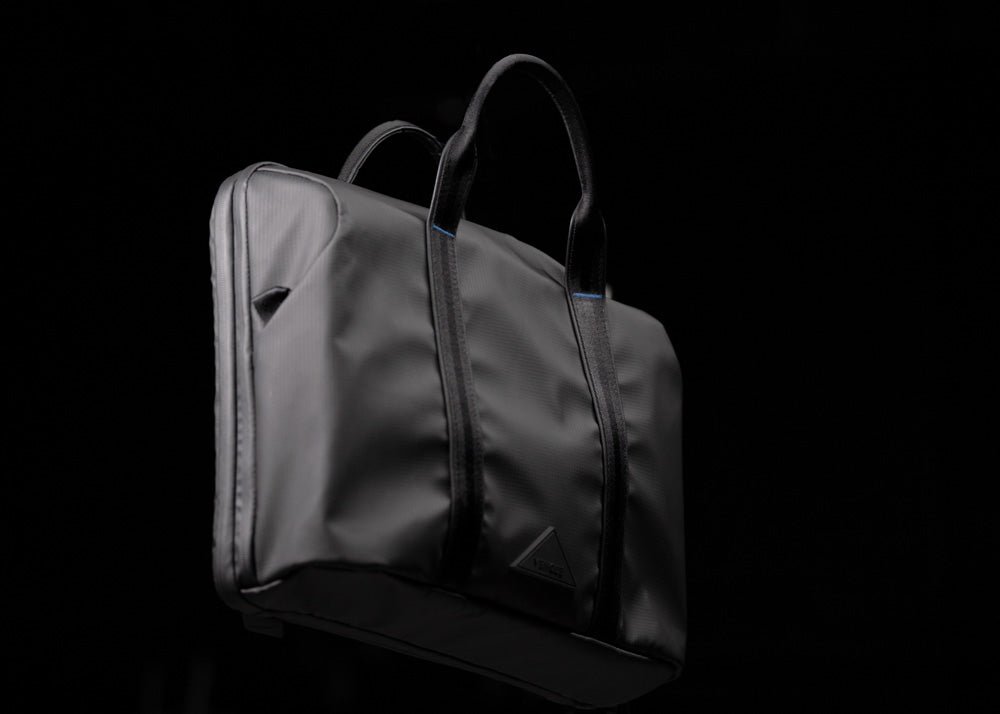
Venque FLAI 40L — Sized for Full-Service Carry-On Limits
Built to qualify as a carry-on on major full-service carriers while holding a week or more of travel gear. Clamshell opening, slip-out laptop sleeve, and padded shoulder straps with a removable hip belt.
Shop the FLAI 40L →What goes in a carry-on vs. a personal item?
There's no rule about what you put in each bag — that's your choice. The practical split most experienced travellers use:
Carry-on (overhead bin)
Clothes, shoes, main toiletries kit, and anything you don't need during the flight. This is your main bag.
Personal item (under seat)
Everything you want during the flight — laptop, headphones, snacks, a book, chargers, medication, and your passport. Your "flight bag", reachable without standing up. Power banks and spare batteries must stay in the cabin, never in checked luggage.

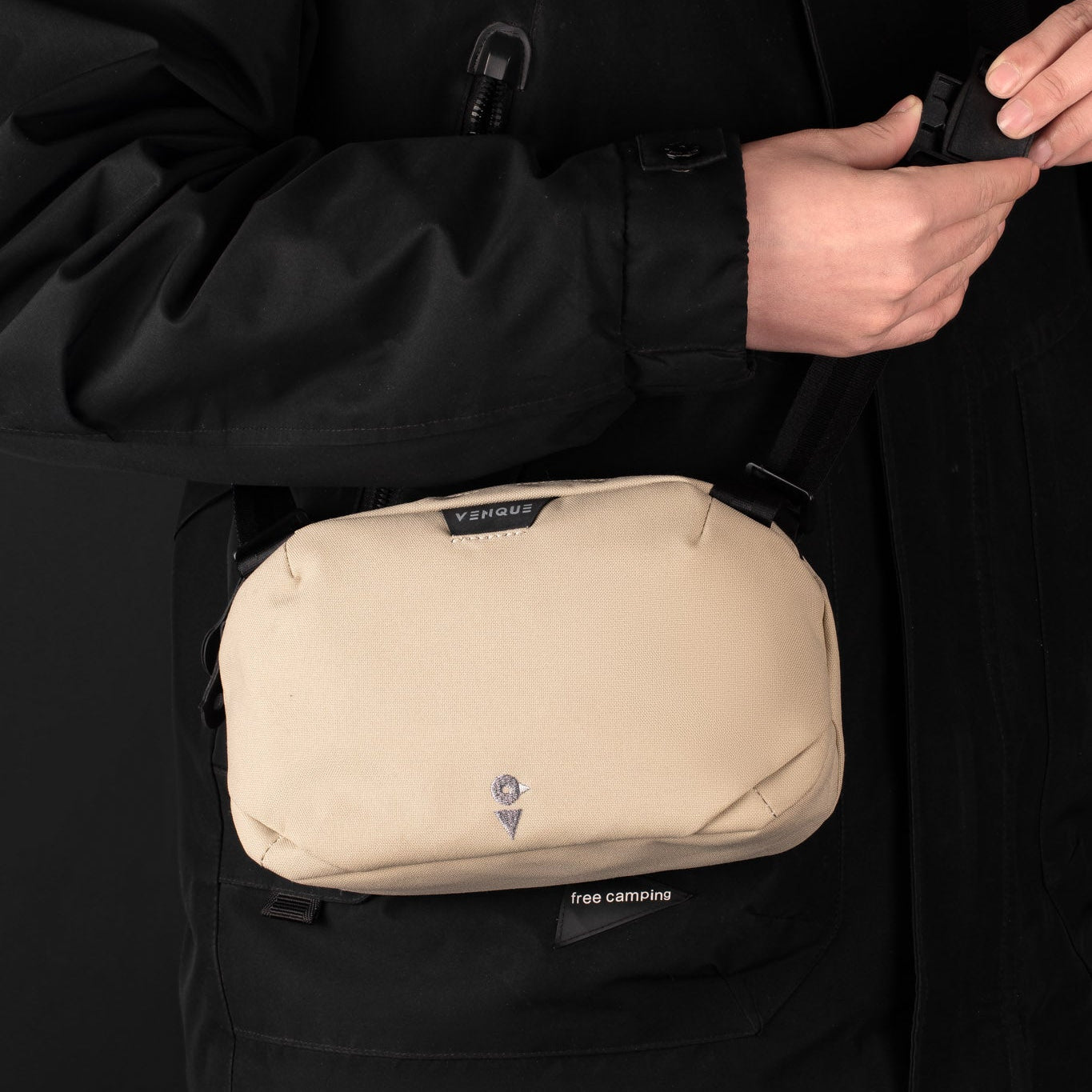
Venque Transit Sling — Keep Your Passport and Phone On You
1L, expands to 1.5LAnti-theftHidden zippersA slim cross-body sling for the things you need at every checkpoint: passport, boarding pass, phone, cards, and earbuds. Most airlines don't count a small item you wear on your body against your allowance, but rules vary — on strict budget carriers, plan to tuck it inside your personal item at the gate.
Can one bag be both a carry-on and a personal item?
Not at the same time — you get one overhead slot and one under-seat slot. But some bags can play either role depending on the airline and trip length:
- A 20–25L backpack (like the Transit Alpha) is usually small enough to count as a personal item on full-service airlines, and works as your only bag on short trips with a budget carrier when you've paid for the overhead slot.
- A 40L backpack (like the FLAI 40L) is a carry-on on full-service carriers. On budget carriers where only a free personal item is included, it exceeds the limit and requires a paid carry-on.
💡 Best strategy for frequent travellers: own a 40L carry-on for full-service airlines and a 20–25L backpack for personal-item-only fares. The FLAI 40L and Transit Alpha together cover every combination.
Tips for carry-on only travel
Choose the right bag first
A 40L bag with a clamshell opening and internal structure is far easier to pack efficiently than a shapeless 45L bag.
Roll or bundle — don't flat fold
Rolling saves space and bundle packing reduces creases. See our full guide to packing clothes without wrinkles.
Wear your heaviest items on the plane
Boots, your warmest jacket, and heavier trousers go on your body, not in the bag. That frees up real space and weight allowance.
Plan around a colour palette
Pick three colours (for example black, navy, and one neutral) and stick to them. Everything mixes and matches, multiplying your outfits without adding items.
Check your fare, not just your airline
Allowances vary by carrier, fare class, and route. A surprise gate-check fee can wipe out the savings of a cheap fare.
Heading overseas? Our backpacking Europe packing list covers European budget-airline bag rules in detail.
Frequently asked questions
- Is a carry-on bag the same as a personal item?
- No. A carry-on goes in the overhead bin; a personal item goes under the seat in front of you. Most full-service airlines allow one of each. Budget airlines often charge for the carry-on while allowing a smaller personal item for free.
- What counts as a personal item on a plane?
- Any bag small enough to fit under the seat in front of you — usually around 43 × 33 × 16 cm or smaller, depending on the airline. This includes backpacks, laptop bags, totes, handbags, and small duffels.
- Can I bring both a carry-on and a personal item?
- Yes, on most full-service airlines and fares. Budget carriers like Flair, Spirit, and Ryanair typically include only the personal item and charge for the carry-on.
- Does a backpack count as a carry-on or a personal item?
- It depends on size. A larger backpack (30L+) typically needs the overhead bin and counts as your carry-on. A smaller backpack (around 20–25L or less) usually fits under the seat as a personal item. Airlines care about dimensions, not bag type.
- What is the personal item size for Air Canada and WestJet?
- Air Canada allows a personal item up to 43 × 33 × 16 cm. WestJet allows up to 41 × 33 × 15 cm. Both must fit under the seat in front of you. For the full rules, see our Air Canada guide and WestJet guide.
- Can I bring a backpack as a carry-on on Air Canada?
- Yes — Air Canada allows carry-on bags up to 55 × 40 × 23 cm on most fares. The Venque FLAI 40L at 53 × 34 × 21 cm fits within that limit and goes in the overhead bin. On Economy Basic fares within North America, only a personal item is included.
- What is the difference between carry-on luggage and a personal item?
- Size and placement. A carry-on is larger (up to roughly 55 × 40 × 23 cm) and goes in the overhead bin. A personal item is smaller (roughly 43 × 33 × 16 cm) and fits under the seat. Both travel in the cabin; neither is checked.
Find the right bag for your next trip
The FLAI 40L is sized for full-service carry-on limits. The Transit Alpha works as a compact personal item. Together, they cover almost every travel scenario.
Shop Travel Backpacks →