



Venque Corporate · The Anti-Swag Guide
Somewhere in your office there is a drawer where swag goes to die. This is a guide to buying the other kind — the corporate merchandise people keep, wear, and carry by choice.

Walk through any Canadian office and you can audit the company's swag budget without opening a spreadsheet. It's in the cupboard of orphaned mugs. The drawer of stress balls. The conference totes holding other conference totes.
Companies don't buy bad swag on purpose. It happens one reasonable decision at a time: the budget gets spread across eight items instead of two, the order goes to whoever answers fastest, and the logo gets printed as big as the printable area allows. The result is corporate swag that costs real money and produces zero attachment.
This guide is the reverse playbook: what makes swag employees actually use, what to stop buying, and where the budget should go instead.
01The item that breaks the swag rule: a premium backpack
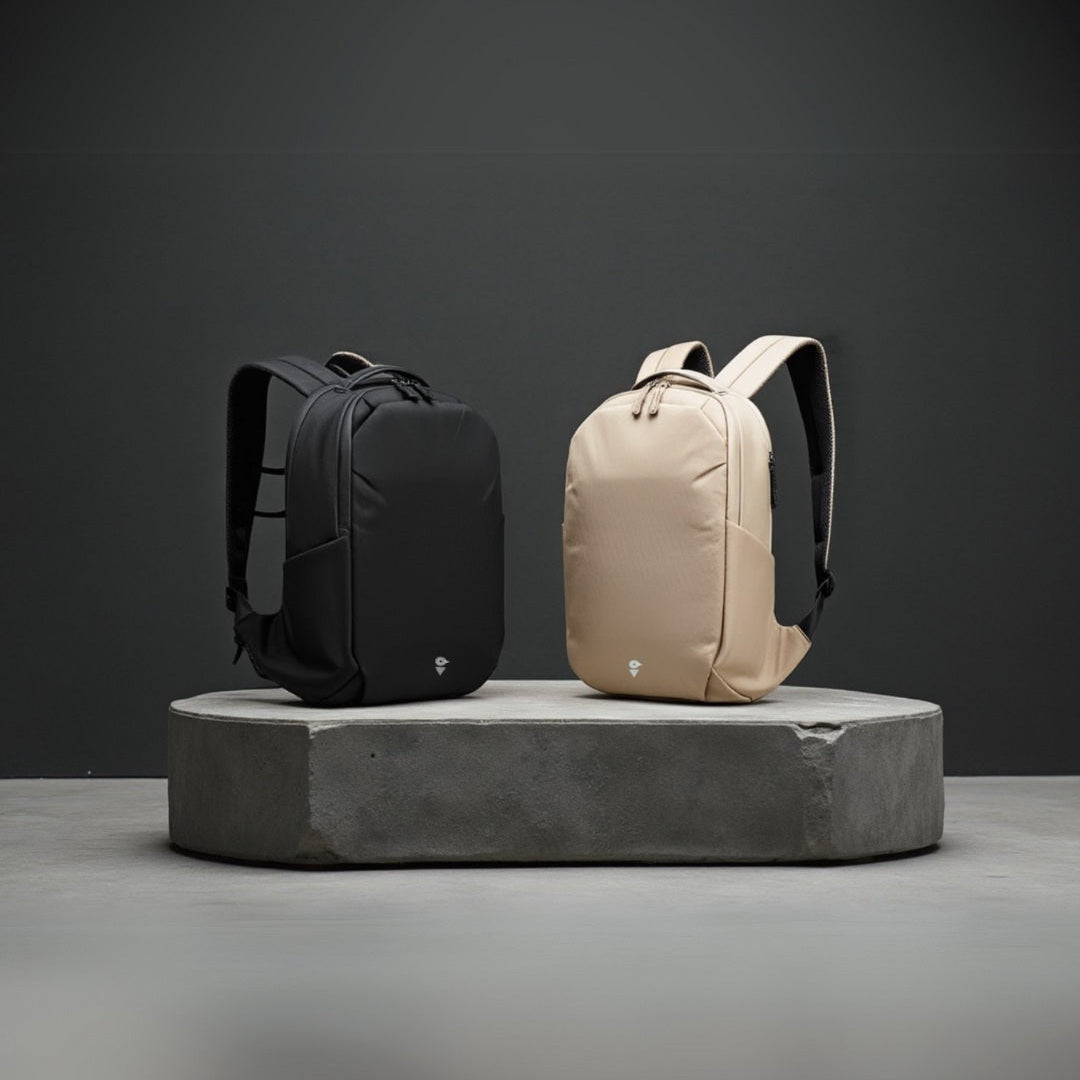
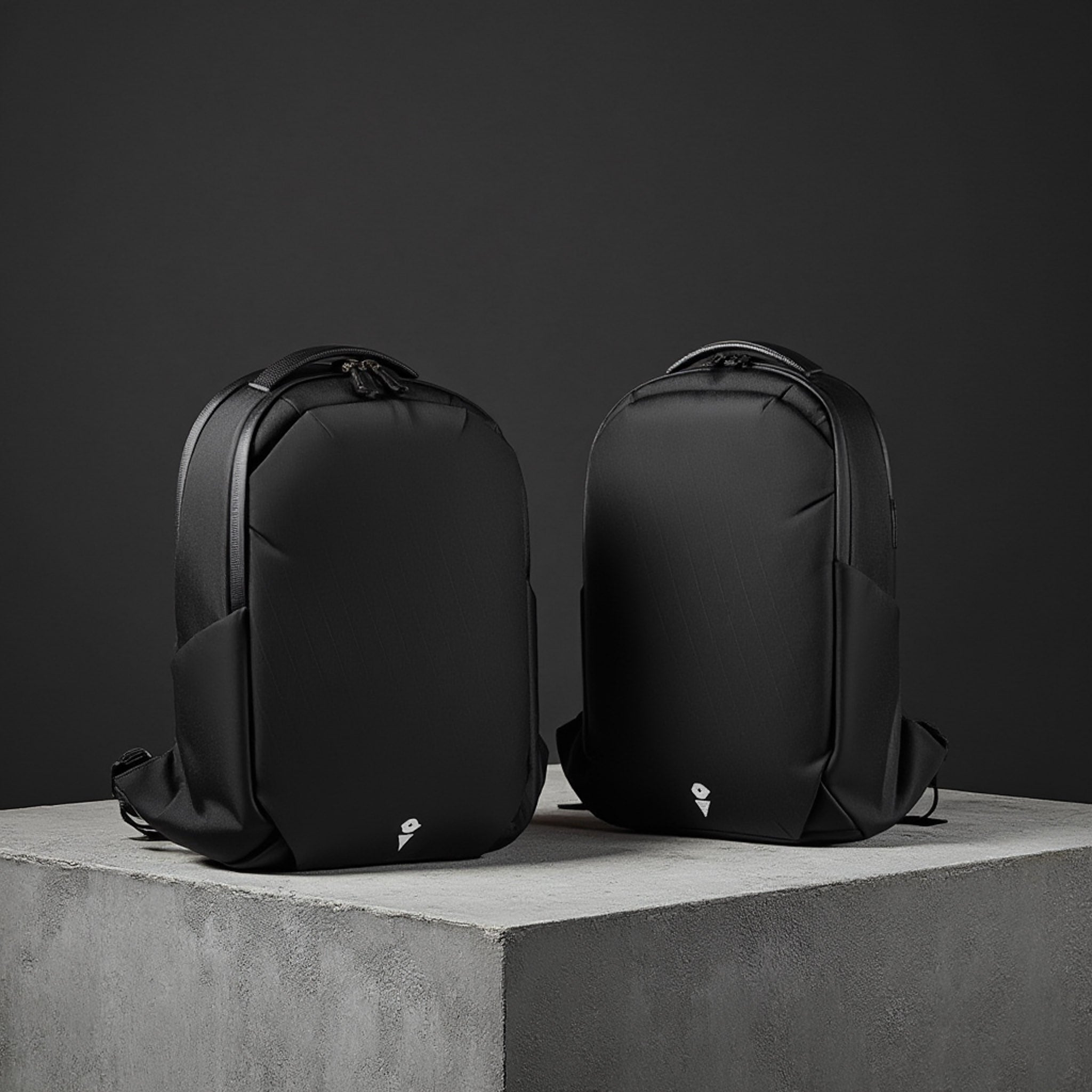
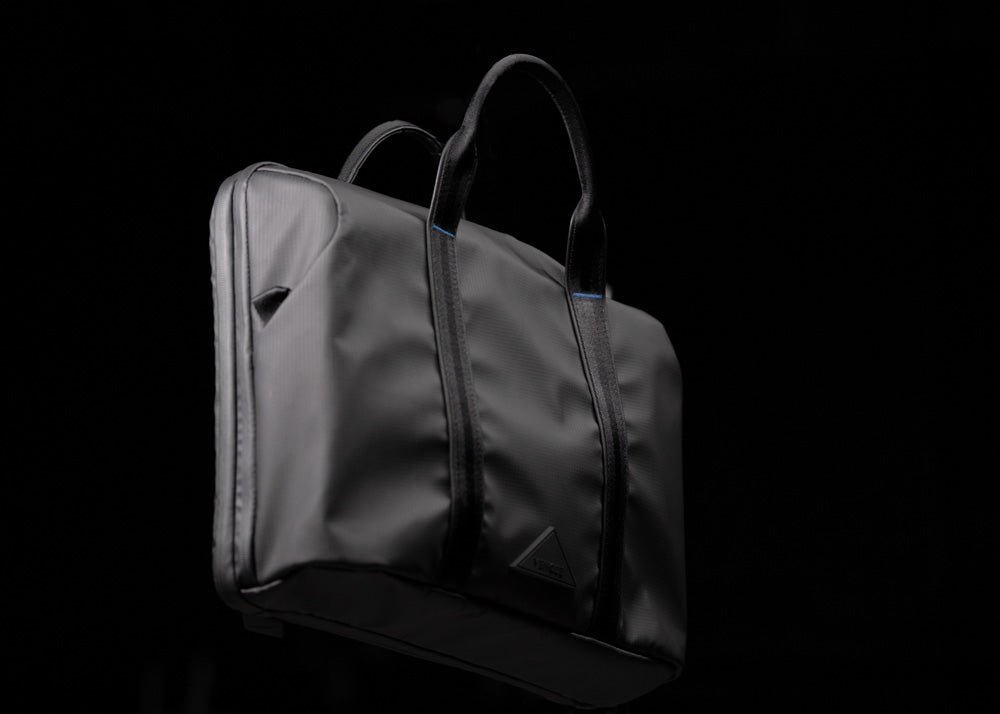
Most swag fails because it's a worse version of something people already own. The backpack is the rare item where a company gift can be better than what most people would buy themselves — and where custom branding doesn't have to ruin it.
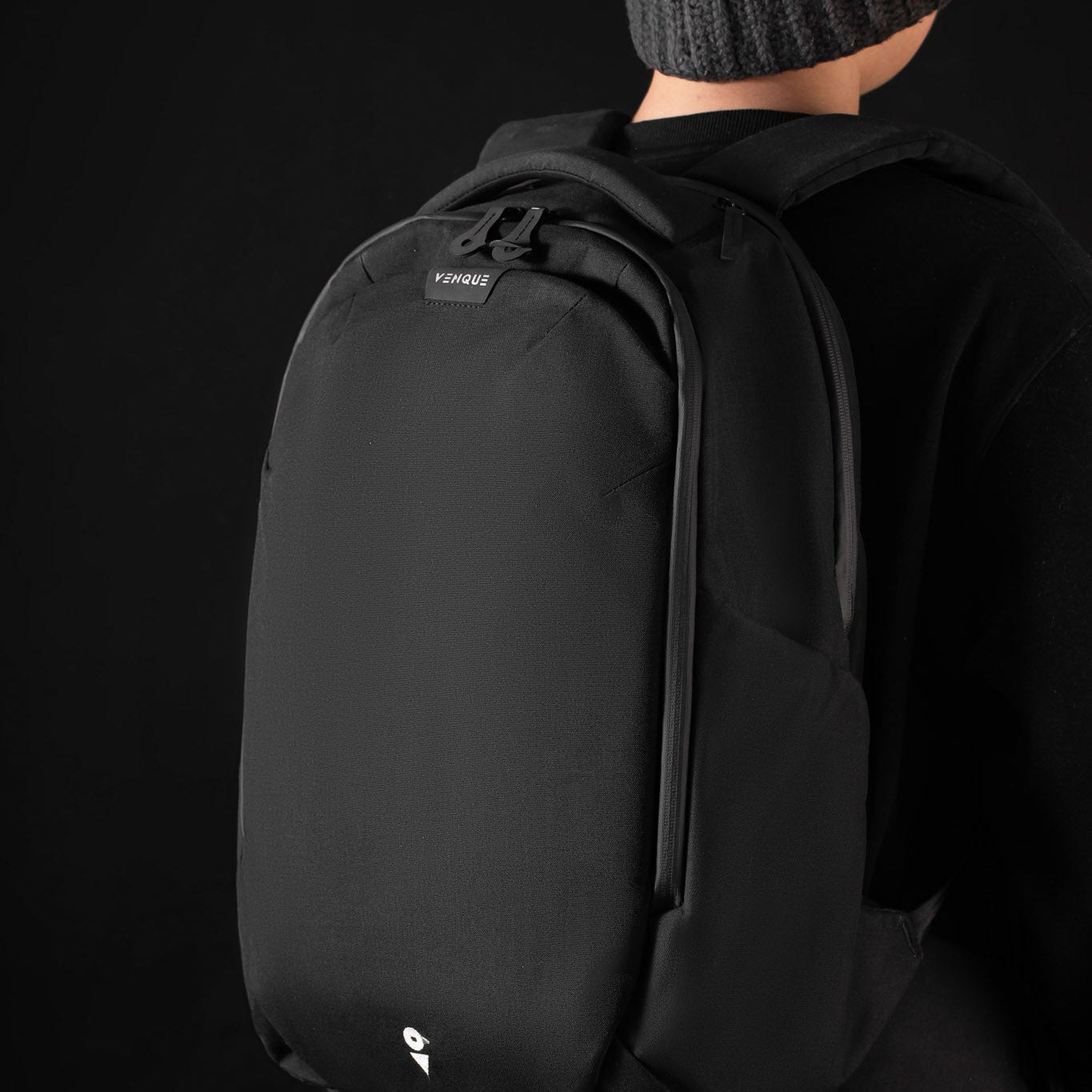
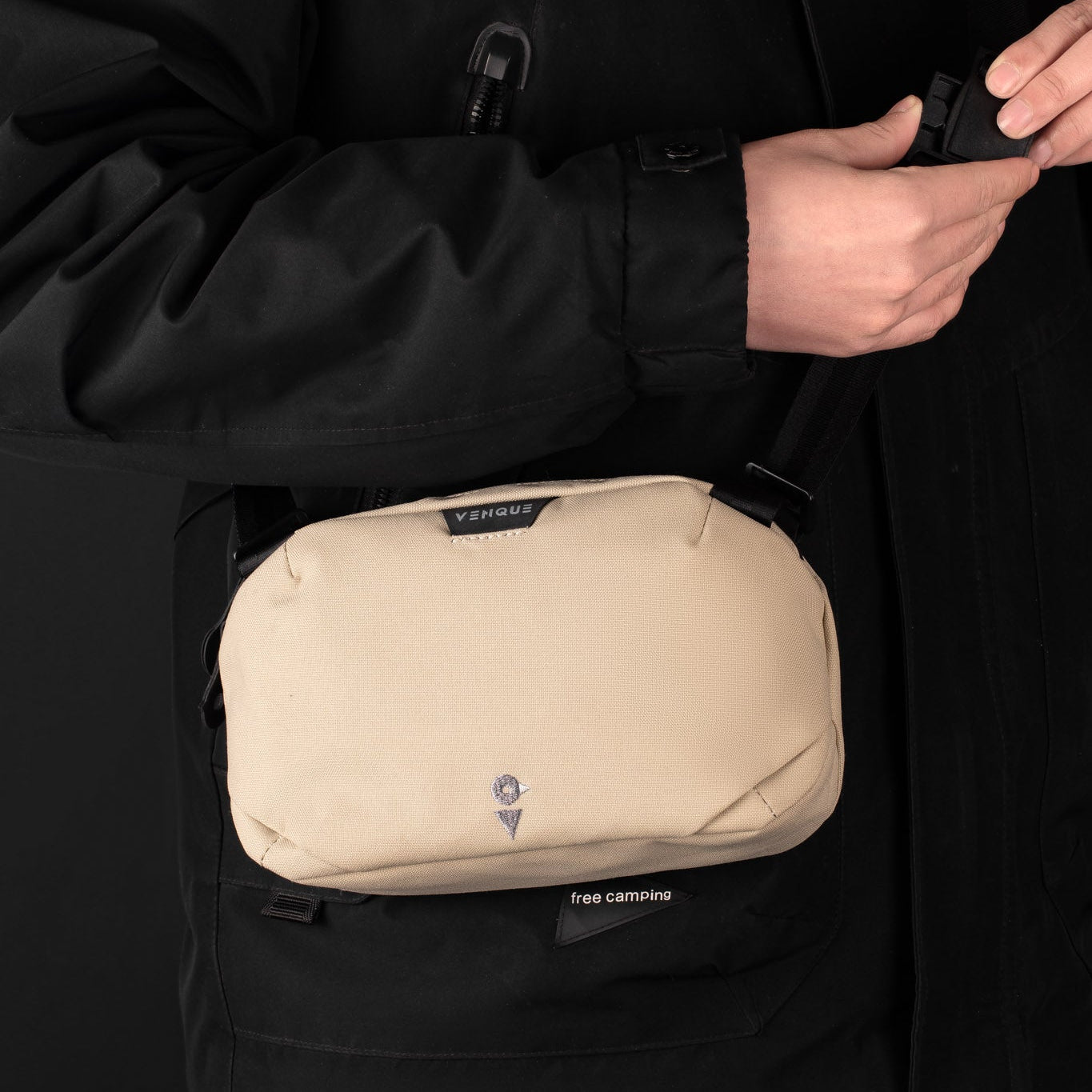
What most teams don't know: a premium backpack can carry your logo engraved on a metal plate, debossed tone-on-tone into leather, or hidden entirely inside the bag. No screen-printed billboard. The result is a bag people carry to work, through airports, on weekends — which is the whole point of putting your name on something.
Canadian programs now run minimums as low as 10 units. Full details in our custom branded backpacks buyer's guide, or compare the bags on our branded backpacks page.


02Run everything through the drawer test
Before approving any swag item, ask one question: where is this object in twelve months? On a shoulder, on a desk, in daily rotation — or in the drawer? Be honest. The drawer test kills 80% of the promo catalogue instantly, which is exactly the point. What survives: things people carry, things people write in, things that charge their devices, things that hold their coffee — at a quality level they'd have chosen themselves.
03Shrink the logo. Then shrink it again.
The single highest-leverage change in all of corporate merchandise costs nothing: make the branding smaller and quieter. Tone-on-tone embroidery, a debossed mark, a small engraved plate. People will wear a subtly-marked item everywhere; they'll wear a billboard only at your event. If the goal is impressions, the quiet logo wins on volume — it simply gets out of the house more often.

04One great item beats five mediocre ones
The budget math nobody runs: five $20 items produce five drawer occupants — $100 spent, zero daily use. One $100 item that clears the drawer test produces years of it. Same spend, opposite outcome. When the budget feels too small for quality, the answer isn't cheaper items; it's fewer items.
05Tech swag: useful, but only above the quality line
Power banks, charging cables, and desk accessories get used — if they're the version people would buy at a real electronics store. The $4 branded cable that dies in a month does anti-marketing every time it fails. Buy the tier above what feels necessary, brand it minimally, and it earns a permanent spot in the bag.
06Drinkware: one bottle, not another mug
Nobody needs a twelfth mug. A single insulated bottle at the quality tier people already carry — minimal mark, good colour — gets daily use at the gym, the desk, and the commute. It also slips neatly into a backpack's bottle pocket, which is why the two are the most common pairing in the kits we ship.
07Retire the conference tote
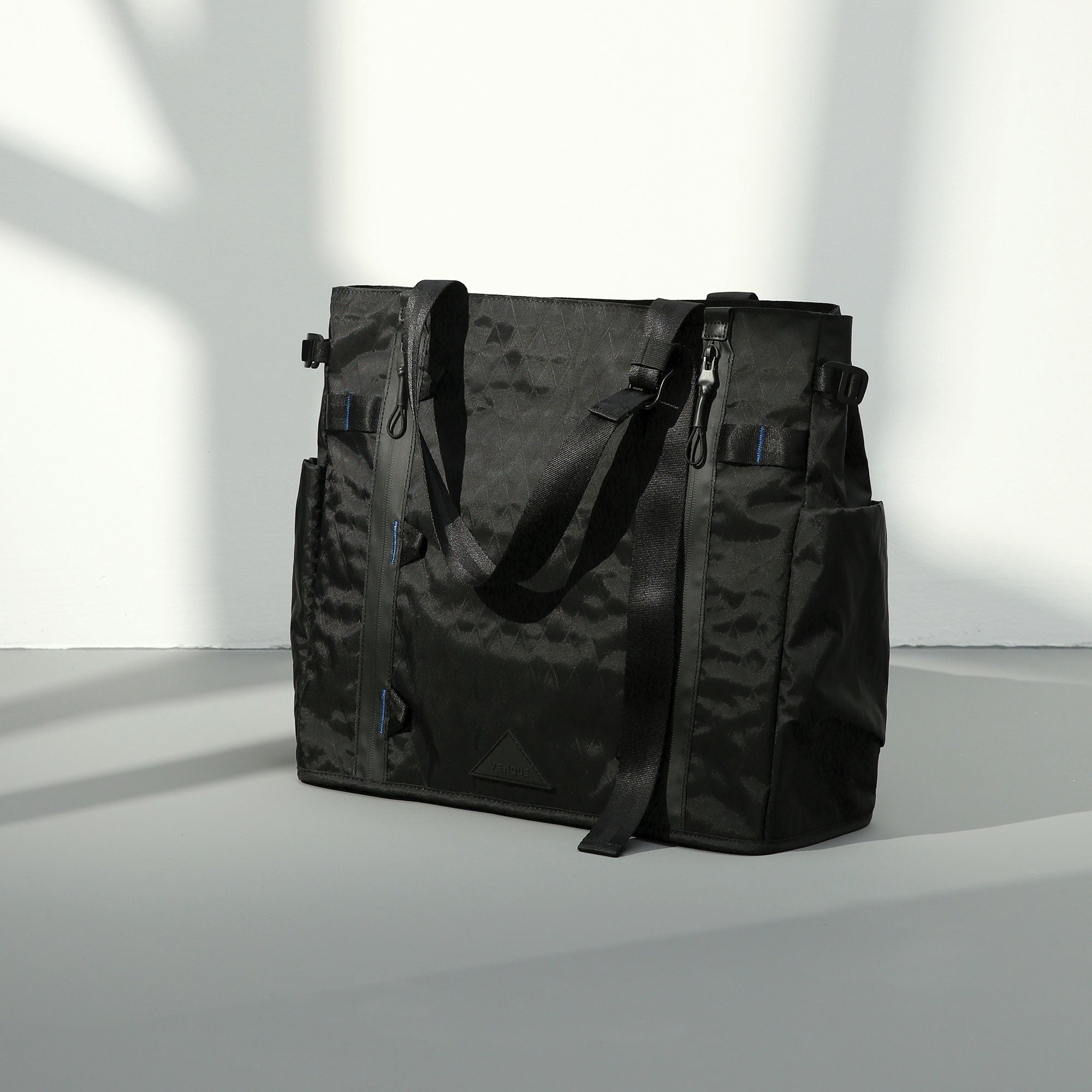
The flat cotton tote is the most produced and least carried object in corporate history. If your event budget currently buys totes, redirect it: fewer, better bags for speakers and VIPs beat hundreds of totes for everyone. The people who matter most remember it; the totes were going in the drawer anyway.

08Apparel only above the wear line
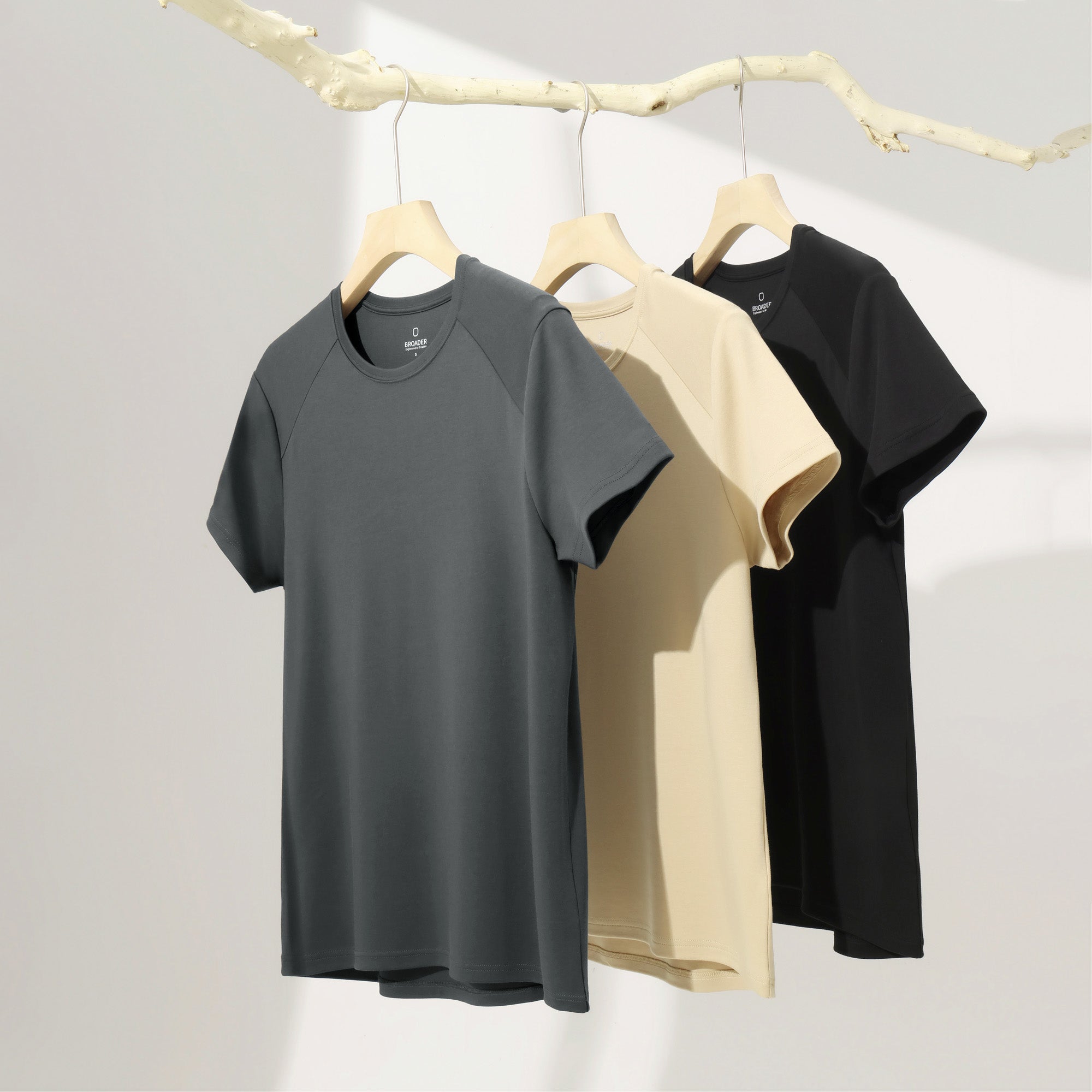
Branded apparel splits cleanly in two: pieces at the quality of what people already wear (kept, worn, photographed) and everything below it (donated by spring). If the blank garment isn't something your most stylish employee would buy, the logo won't save it. When in doubt, put the apparel budget into item #1.
09Let people choose when you can
A small swag menu — pick the backpack or the duffel, choose your colour — doubles perceived value at zero extra cost. Choice converts swag from something issued into something selected, and people keep what they selected.
10Presentation is part of the product
The same item reads completely differently handed over in a poly bag versus a clean branded box. If the swag marks a real moment — onboarding, a milestone, an award — box it. Custom packaging in Canada starts at lower minimums than most teams expect (ours begin at 10 units).
Working numbers from Canadian programs we've quoted: the classic spread-thin approach runs $50–$80 per person across many forgettable items. The anti-swag approach — one premium anchor ($80–$150), one quality consumable, clean packaging — lands in the same range or slightly above, and is the version people mention in the engagement survey. The budget isn't the problem; the allocation is.
Frequently asked questions
What corporate swag do employees actually use?
Items that pass the drawer test: premium backpacks and bags, quality insulated bottles, tech accessories above the disposable tier, and apparel at the level people already wear — all with subtle branding rather than billboard logos.
How do you make branded swag people want to wear?
Shrink the logo and raise the quality. Tone-on-tone, debossed, engraved, or hidden-interior branding on a genuinely good product gets carried daily; large printed logos confine the item to company events.
Is expensive swag worth it?
One $100 item in daily use for years delivers far more brand exposure — and goodwill — than five $20 items in a drawer. Spend the same budget on fewer, better things.
What's the minimum order for premium custom swag in Canada?
Lower than most teams assume: quality custom-branded backpack programs start at 10 units, including custom gift boxes, with logo mockups typically available within 48 hours.
Ready to retire the drawer?
The Venque Envoy executive backpack — the anchor item for swag programs people actually thank you for. Your logo engraved, debossed, or hidden inside. Minimums from 10 units, designed in Toronto.
Explore Venque Corporate
